
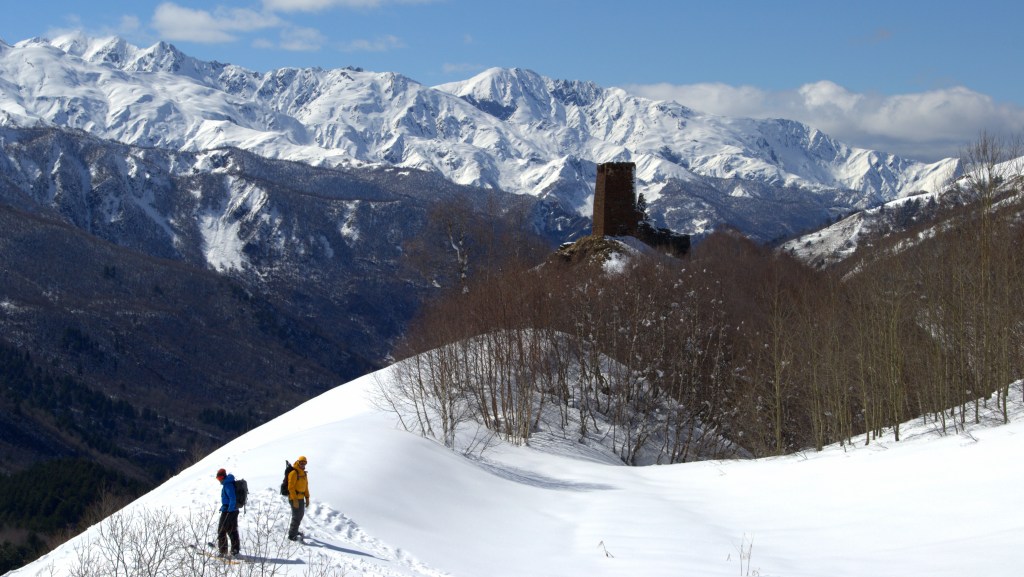
Photos by Francis Dennig, Sebastian Stumpf and Martin
Georgia is a country neighbouring the sky. At least, this is what several billboards at the Sarpi border checkpoint tell travellers who enter by road from Artvin province in Türkiye, another neighbour of Georgia’s. While this surely sounds like a bold claim, it is not certain that it truly sets Georgia apart from other countries.
What the billboards don’t say is that, really, there is so much more that sets Georgia apart from other parts of the world. Georgia is also the land of khinkali; of the fruitiest wines one has ever tasted; of walnut flavoured salads and of walnut flavoured everything; of kachapuri adjaruli; of portion sizes only rivalled by their Turkish counterparts in their unreasonableness; of 20th-hand cars without pumpers; of 10 million potholes; of infinite toasting over meals; of purported absolute truths that invariably turn out to be utter nonsense; and so on and so forth. It is also home to high-profile 20th century statesmen including Ioseb Besarionis dze Jughashvili (a.k.a. Joseph Stalin) and Eduard Shevardnadze; and, of course, to the impressive Greater Caucasus mountain range, culminating on Georgian soil at Shkhara peak at almost 5,200m elevation. From that perspective, with its three peaks higher than 5,000m and several above 4,000, it truly is closer to the sky than most countries. These peaks also make Georgia home to the tallest mountains in Europe. While there appears to be no doubt in the Georgian mind that the latter statement is true, as demonstrated by the European flag that flies next to virtually every Georgian banner in the country, some take the crest of the Greater Caucasus to mark the continental boundary between Asia and Europe between the Black and Caspian Seas, which, one could argue, would firmly place Georgia in Asia.
From Artvin province to Batumi
Whether on one continent or another, the above list includes several reasons to pay Georgia a visit. As far as we were concerned, khinkali, walnut sauces and the Greater Caucasus were the main factors in the decision to make Georgia the fourth and final stage of our journey. We thus confidently drove into Batumi on 23 March, after having passed face inspections at the border checkpoint that were significantly less friendly than the inviting billboards. Without too much red tape, Markus had the VW Golf fitted with Georgian transit plates. Spirits were high and little did we know that our hopes of finding skiing’s redemption in the Caucasus would find a sudden and frightening end. But first things first.
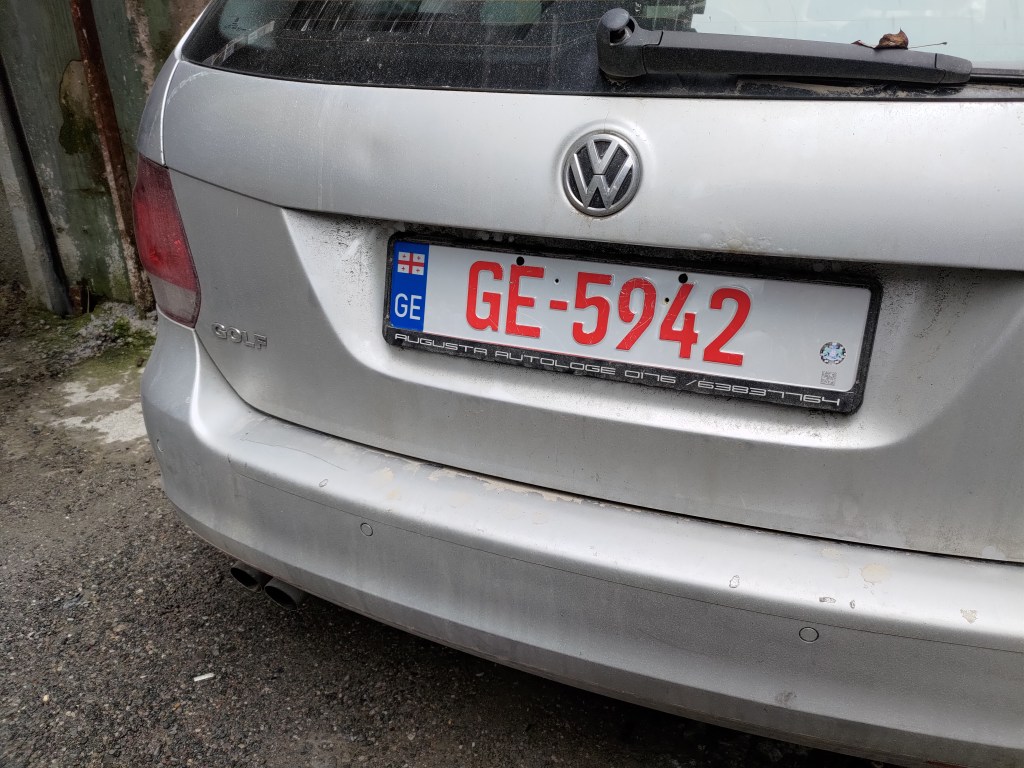

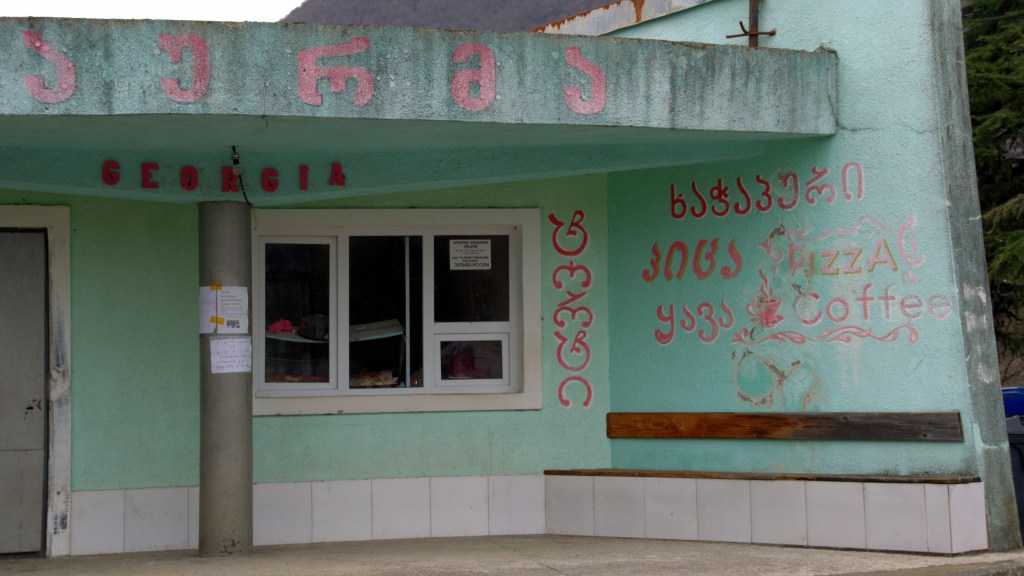
Entering Georgia
Batumi, also advertised as a “lost paradise”, is a massive construction site of a town that faces the Black Sea. Its charming historic neighbourhoods notwithstanding, it appears to aspire becoming some kind of miniature cross-over of Dubai and Las Vegas. We gladly accepted an invitation for dinner by Zaza, a friendly local whom Harald had met on a Turkish Airways flight to Trabzon after several cancellations had left him stranded for three consecutive days at Istanbul airport. We were taught a lot that night, including about Georgian culture, history and hospitality, about King or Queen Tamar the Great, and that, although hard to believe, Georgian food was lighter than Turkish cuisine. Zaza and his friend also made it very clear that it was completely out of the question to give away the VW Golf, which had already accumulated more than 300,000km throughout its illustrious life, for free to a car dealer Markus had found in Tbilisi. Valuations of the car skyrocketed. An estimated 25 toasts to Georgian hospitality, friendship, world peace and the beauty of life and Russian women later, we were right in the depths of the first khinkali- and kachapuri-induced food coma, before we had clocked in even 12 hours on Georgian territory. The litres of fruity red wine accompanying the meal did not help with feeling in better shape the next morning. However, to be frank, despite its culinary qualities and hospitality, Batumi struck us as more lost than a paradise. As Harald returned to Trabzon for another flight back to Germany, the rest of us drove further north-east.

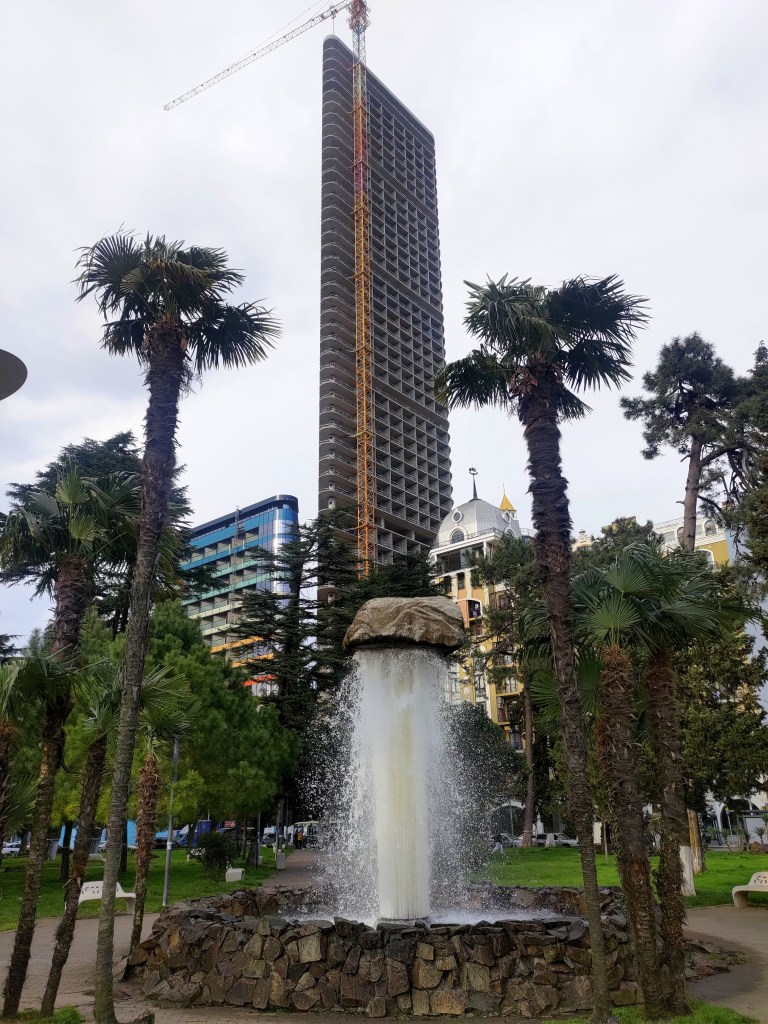

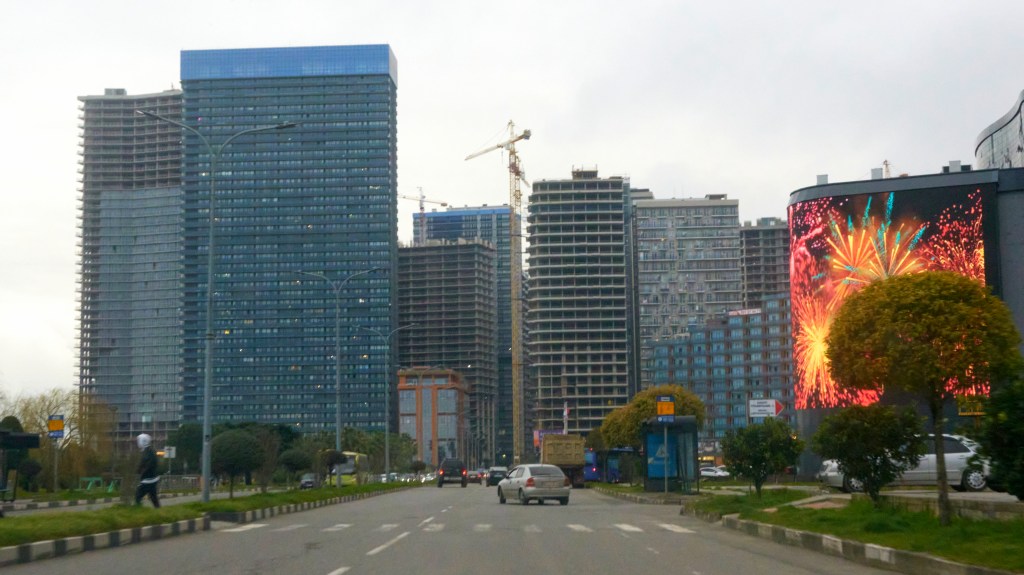
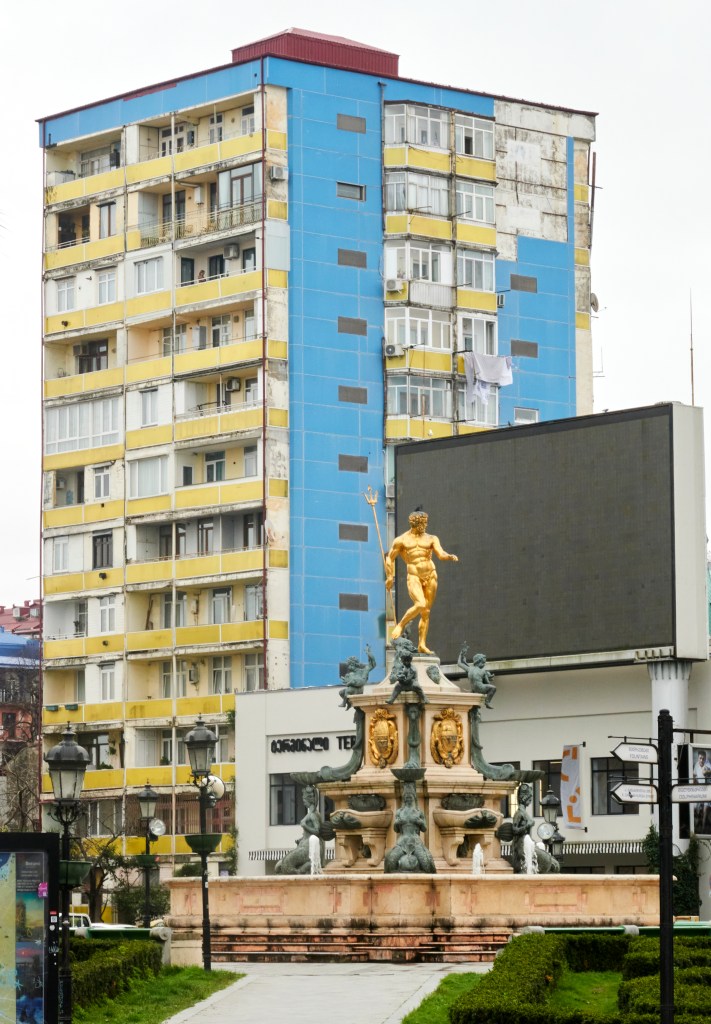
Batumi
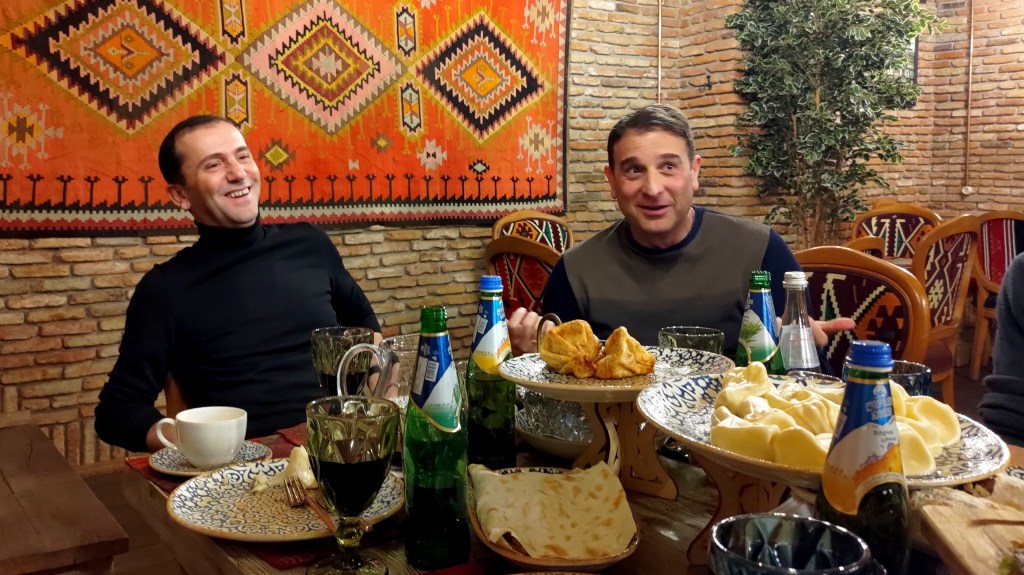


…and the first khinkali-induced food coma, courtesy of Zaza
Svaneti
Mestia, at the end of Svan valley, would be our first Georgian destination for skiing. The notion of the endless road up a valley was redefined yet again as we covered the 100 or so kilometres worth of potholes from Zugdidi in some 4+ hours that felt like an eternity. A friend of Sebastian’s had provided the contact details of Zura’s, a local mountain guide to-be, who put us up at his mom’s guesthouse. Of course, as we were told, 2022/23 was the worst winter on record in Svaneti, and Mestia seemed somewhat abandoned. This was not true for the cows, however, who outnumbered humans in the streets at any given moment. Yet again, we soon had proof that our high hopes about the skiing part of our visit were too optimistic and conditions were more favourable for playing cards and backgammon. While making grand plans of touring with and without helicopter assistance as soon as the weather would turn, we spent the next three days watching the rain while sitting by the fire and doing what the conditions were right for. A close encounter with what was left of Mestia’s ski bum population ended in a nasty hangover. Meanwhile, as Zura turned out to be the next potential buyer for the VW Golf, its valuations redescended back to more reasonable levels.
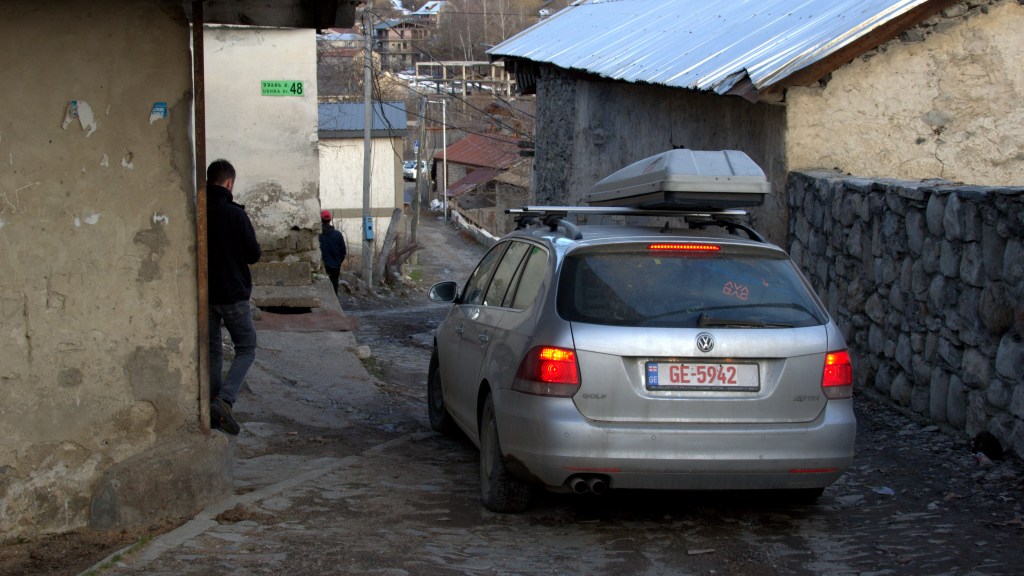
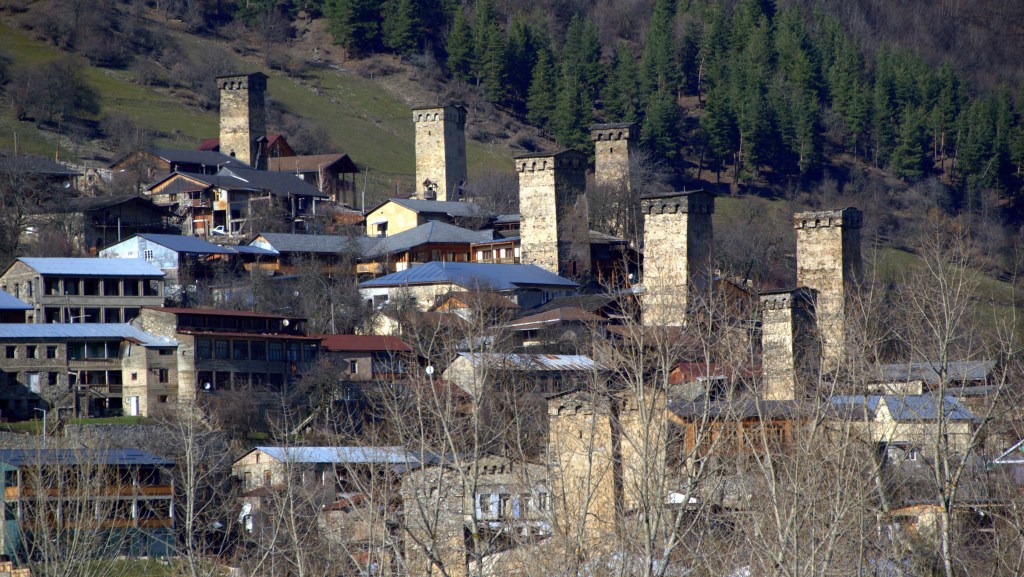
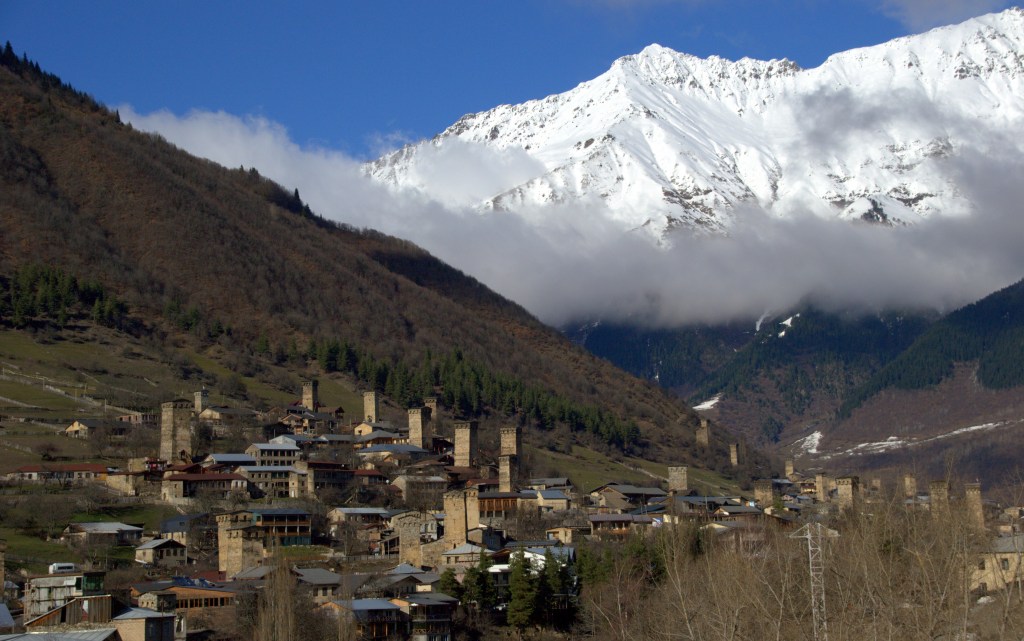
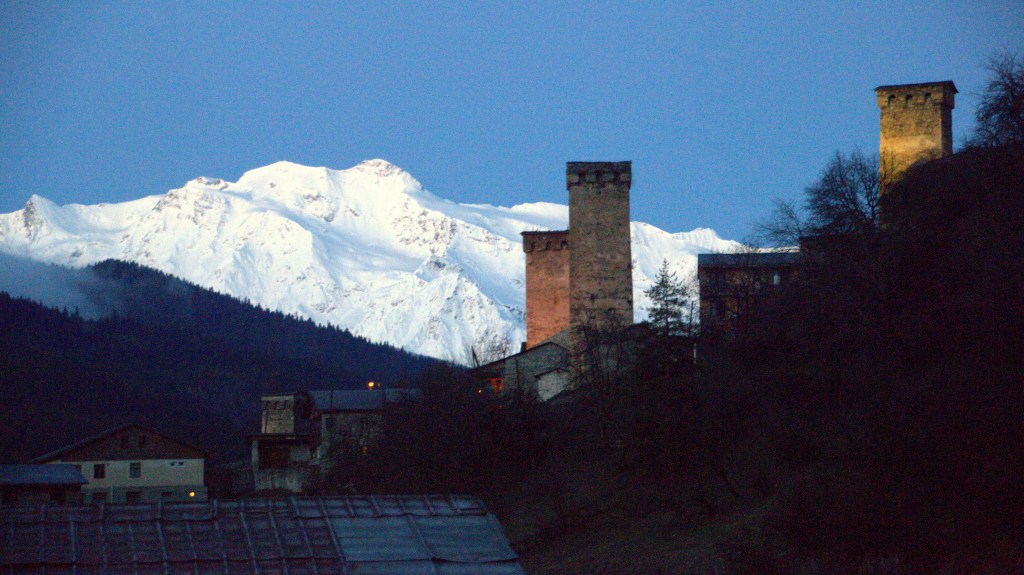
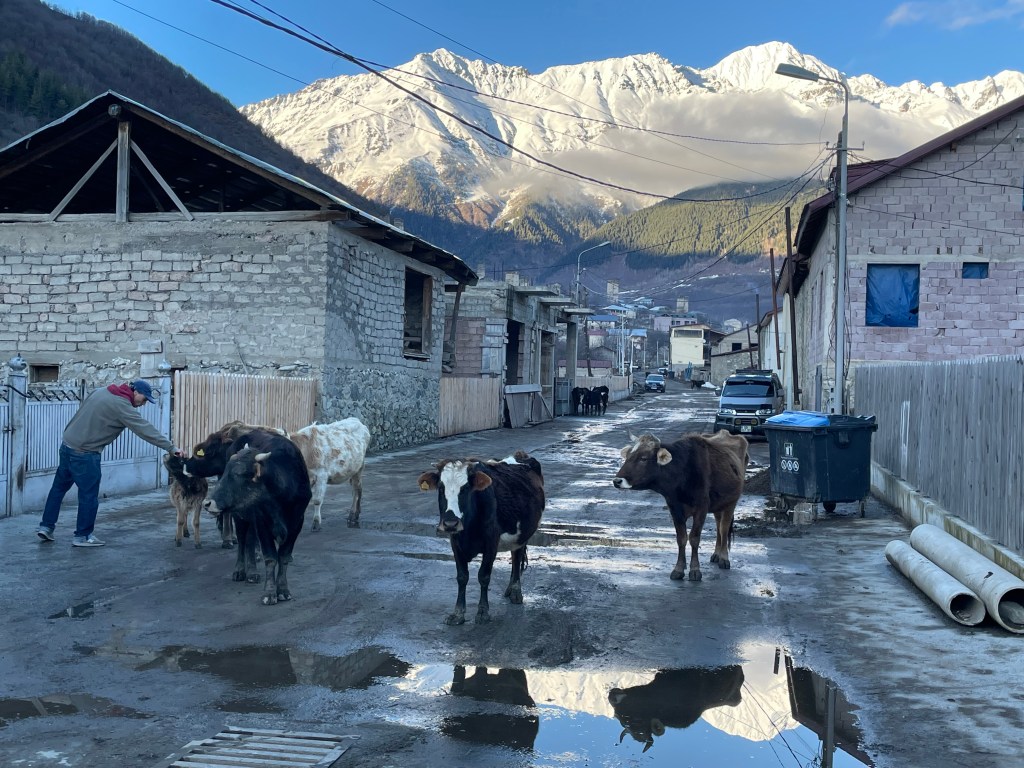

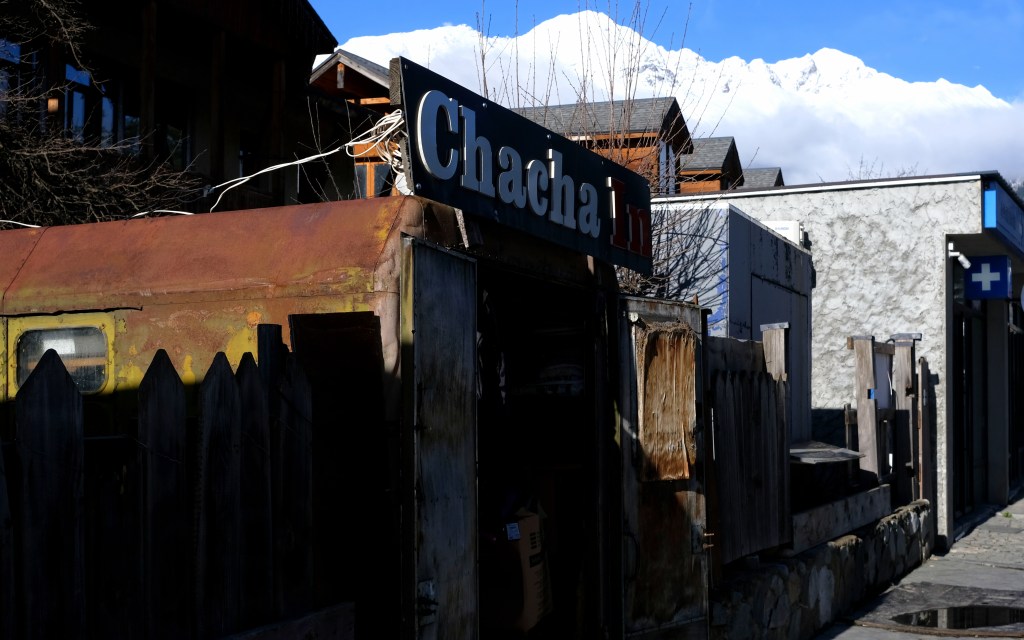


Arrival in Mestia
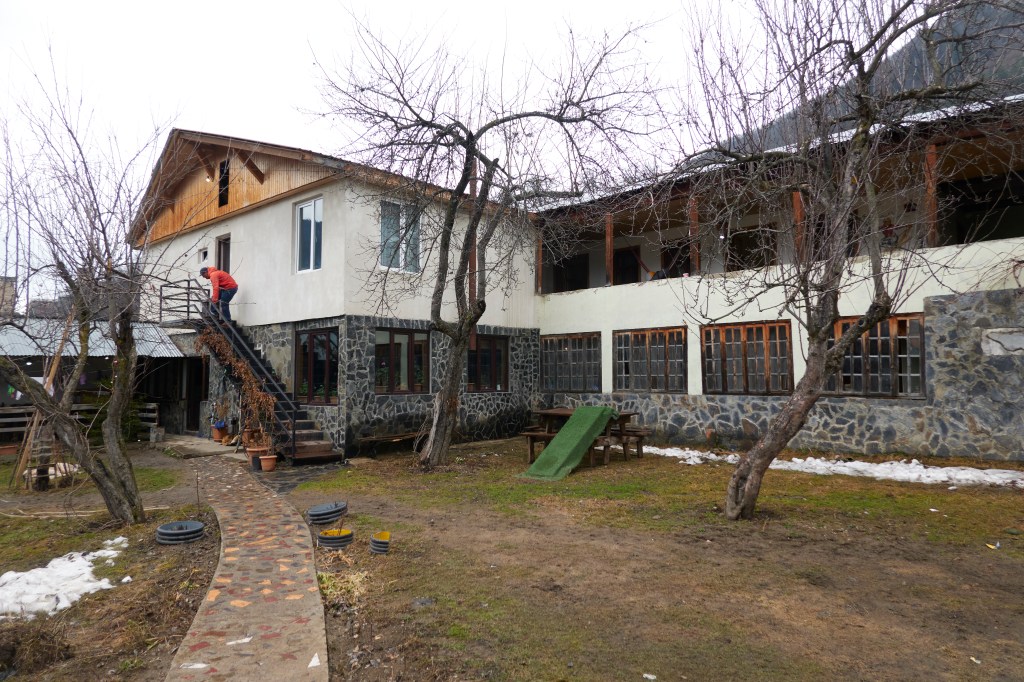
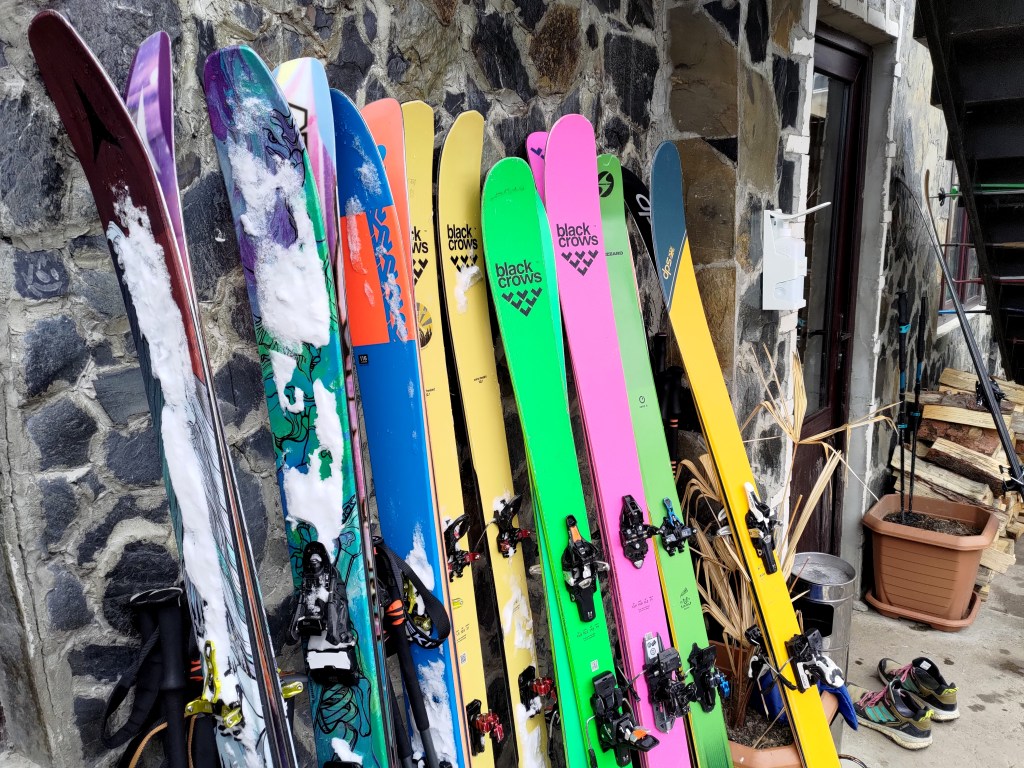
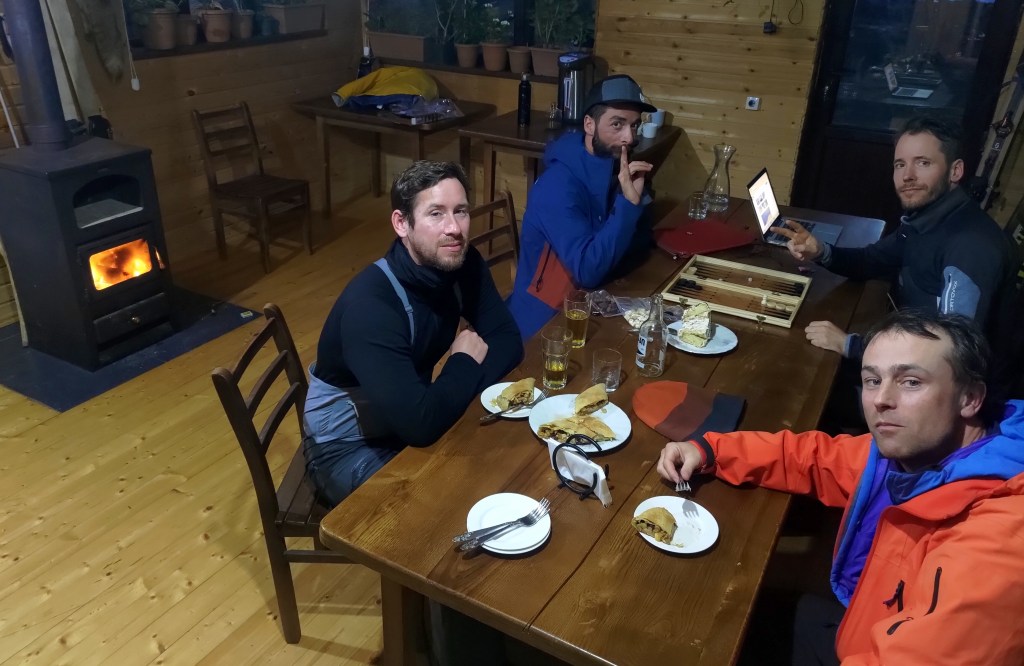
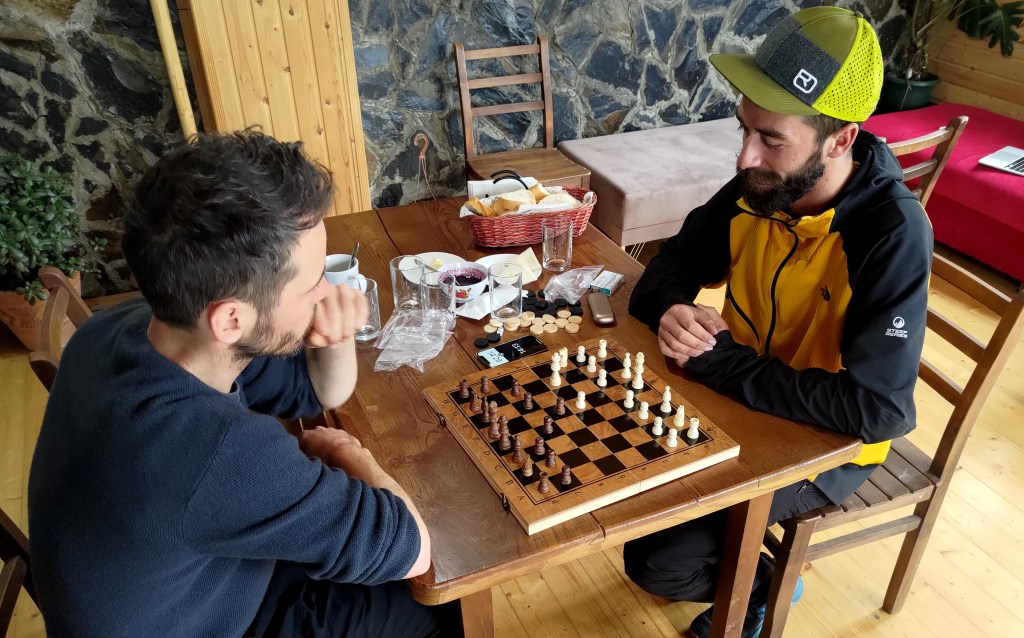
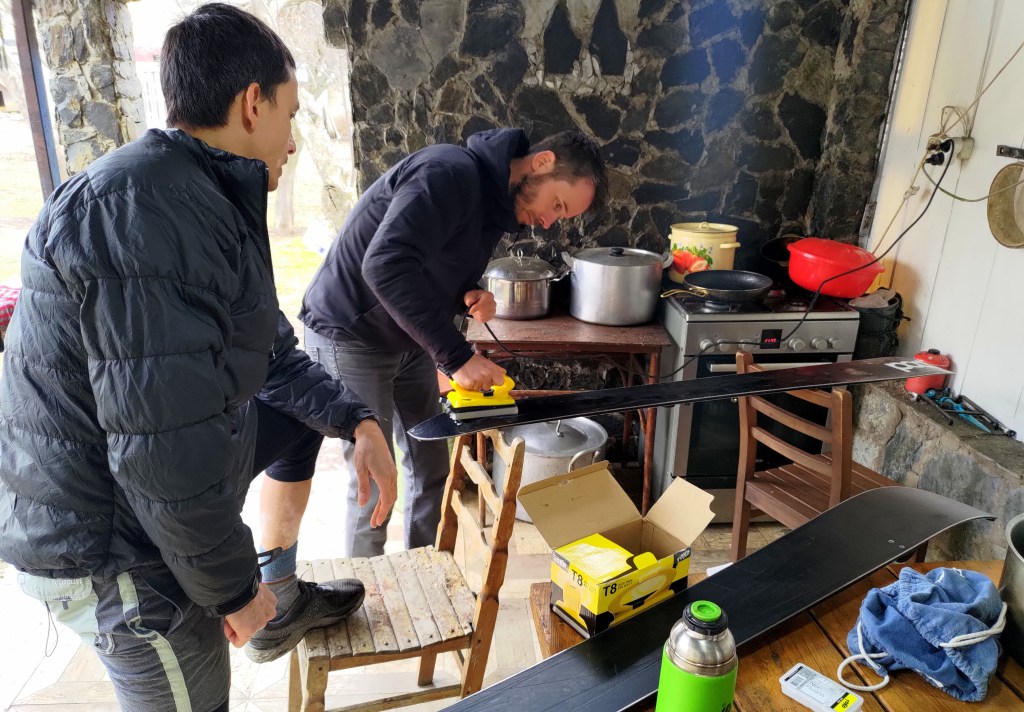
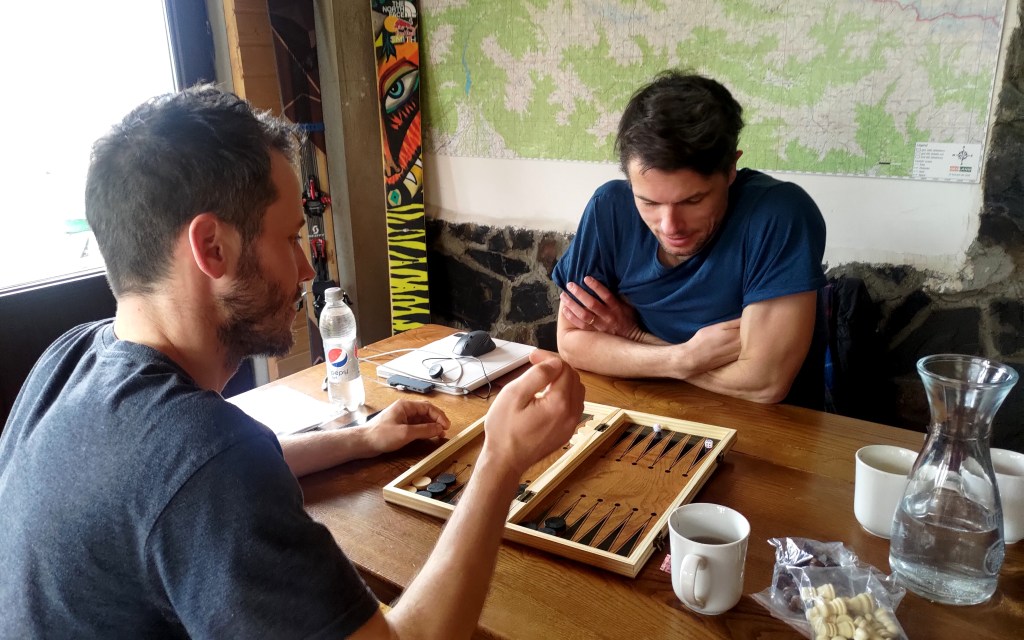
Our new hideout from the rain
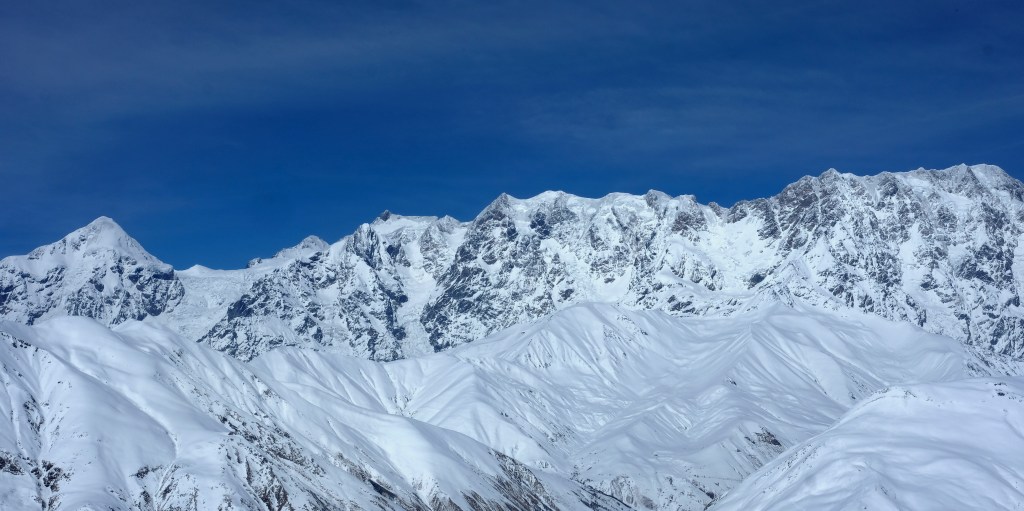
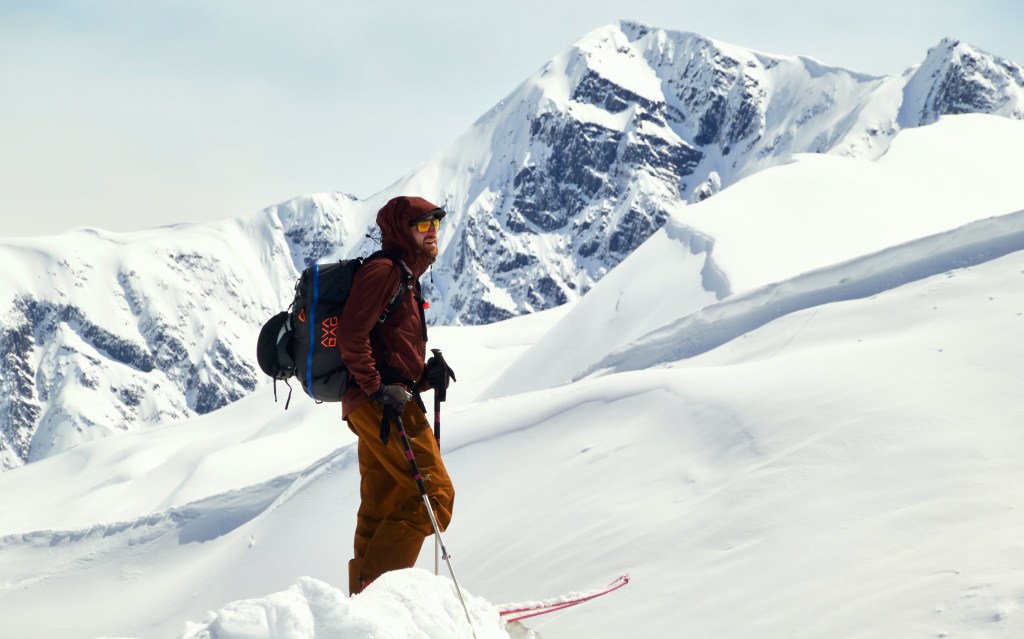
For once, the weather forecast would live up to its promise and the fourth day in Mestia brought sunshine and a beautiful first day of off-piste skiing around the Tetnuldi ski area. Just below prominent Tetnuldi peak towering at 4,800m, the ski resort boasts several state-of-the-art chairlifts but budgets seem to have been insufficient for building a road to access the base. Even the boldest Georgian drivers in high-clearance 4×4 vehicles struggle with covering the last 5km worth of potholes, mud, ice and snow. But our driver in a Mitsubishi Delica gained momentum in the right places and did not hesitate in the key sections, so we were soon sat on the first chair of the day. The snow was good on the north faces and just deep enough to cover up the rocks in various couloirs, which remained palpable when running over them. Why, after days of intense rain lower down in the valley, there was only a thin layer of snow at higher altitudes was a mystery. Yet, this was a happy day and the mountain scenery nothing short of breathtaking. We couldn’t quite put our fingers on it, but there was somthing, perhaps the lower latitude that made for more intense radiation and different hues of light or the sheer size of the peaks around us, that created an atmosphere distinctly different from the Alpine environment we were accustomed to.
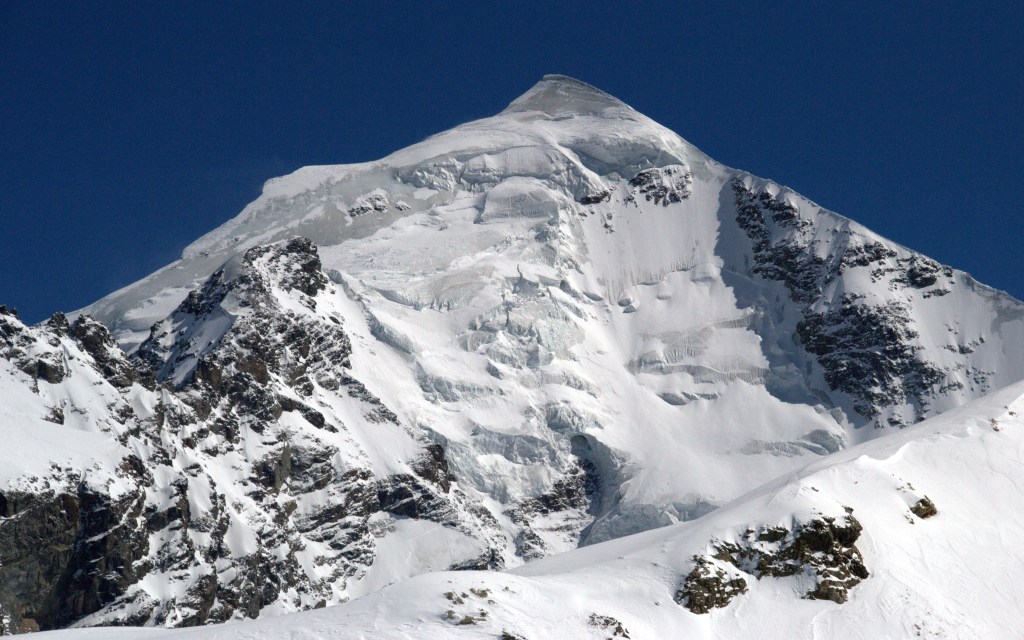
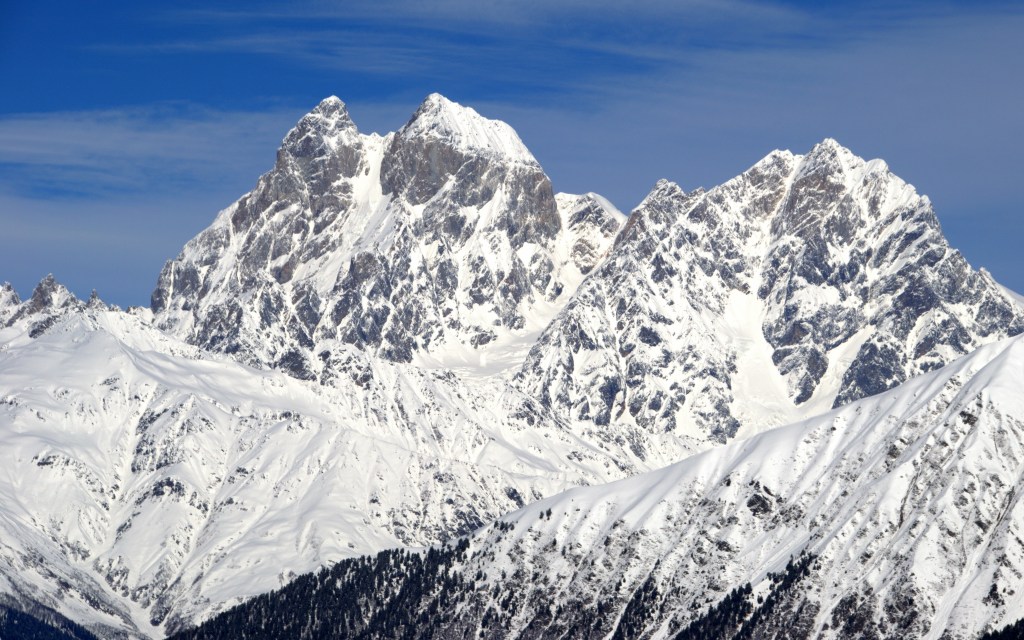

Tetnuldi, Ushba and neighbours
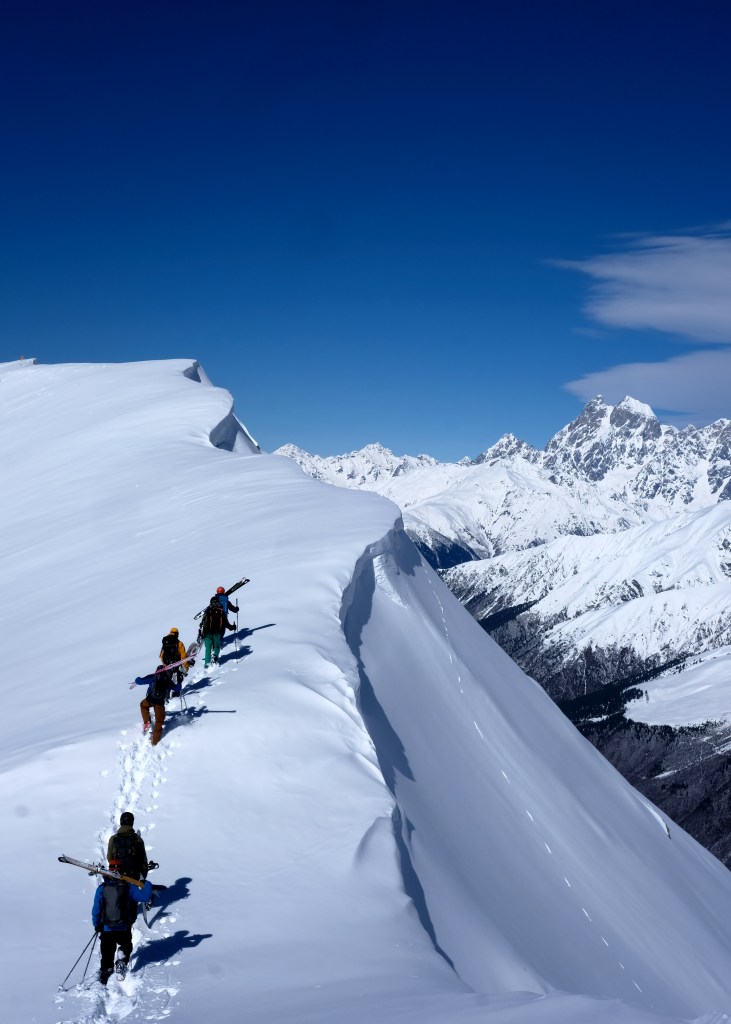
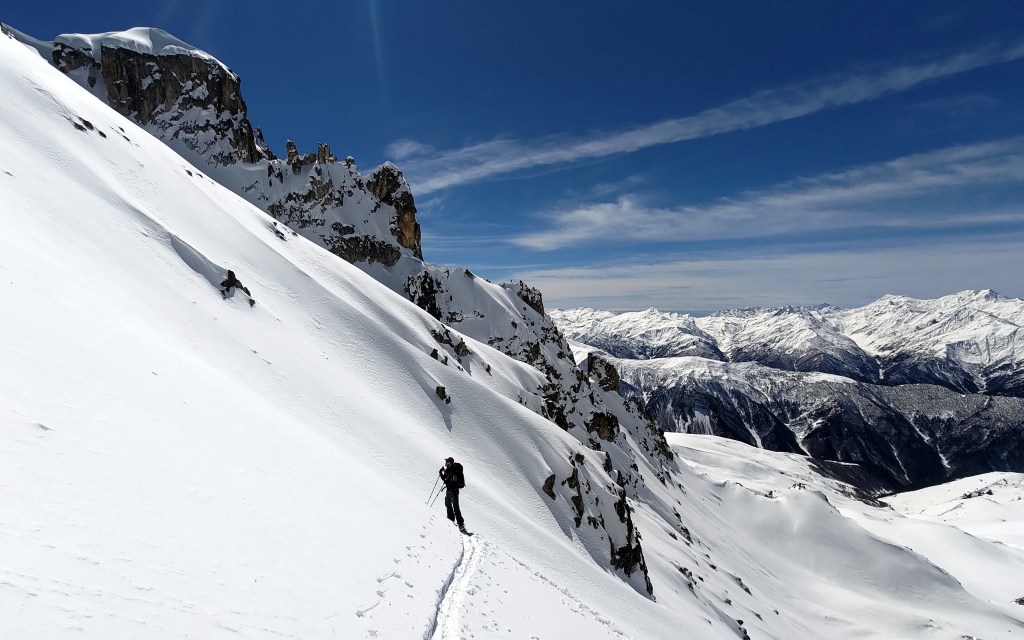
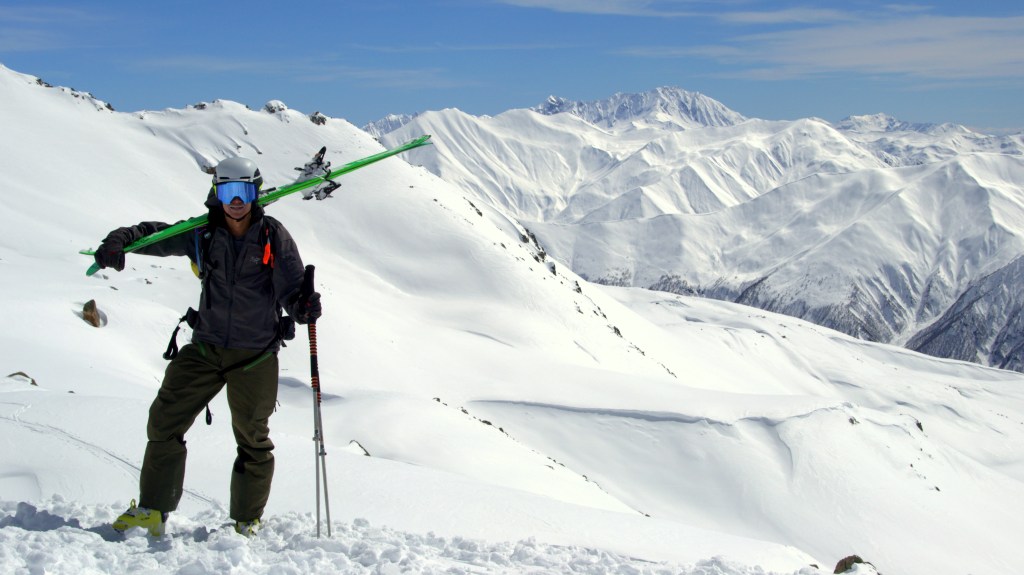

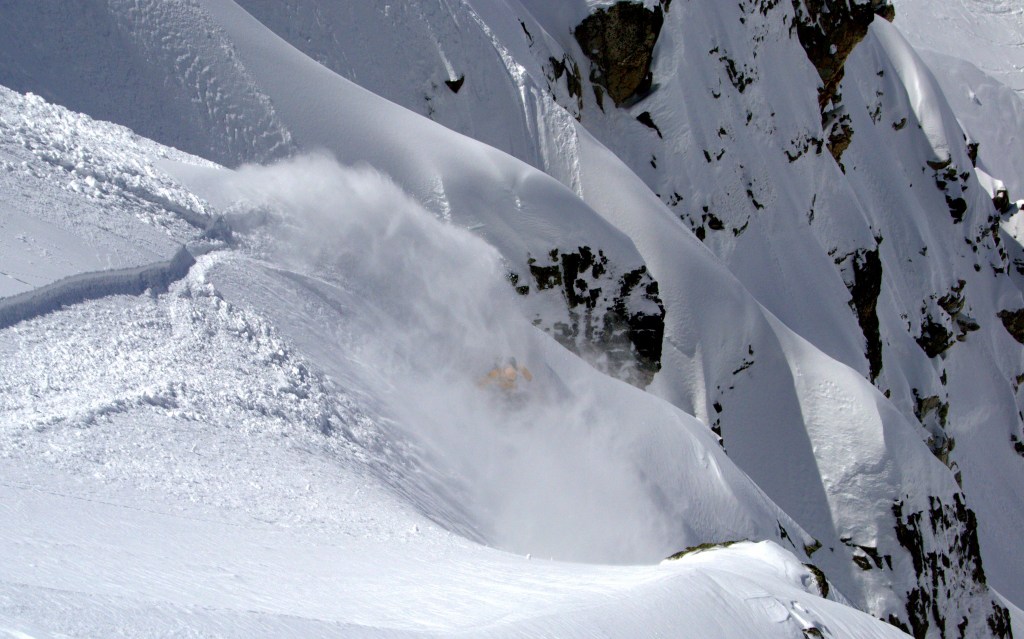
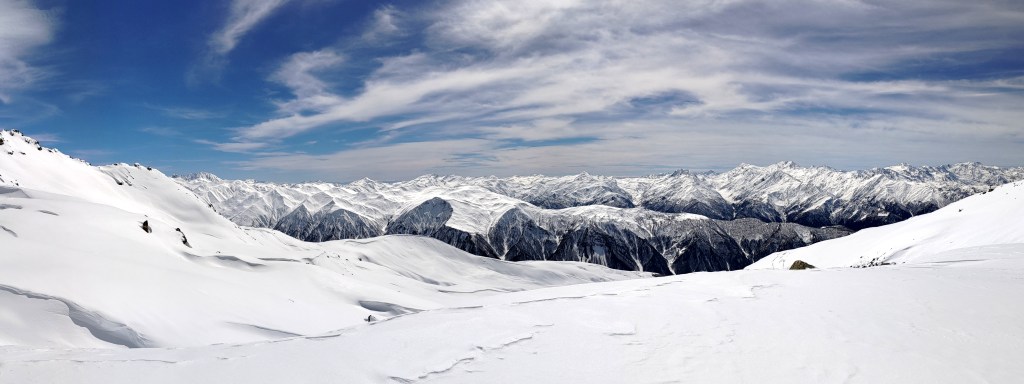
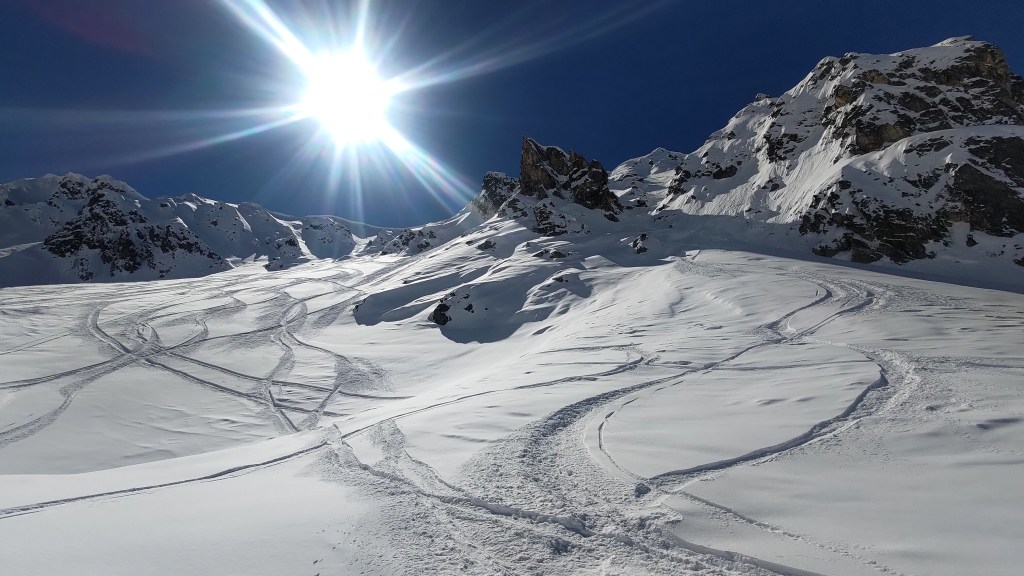
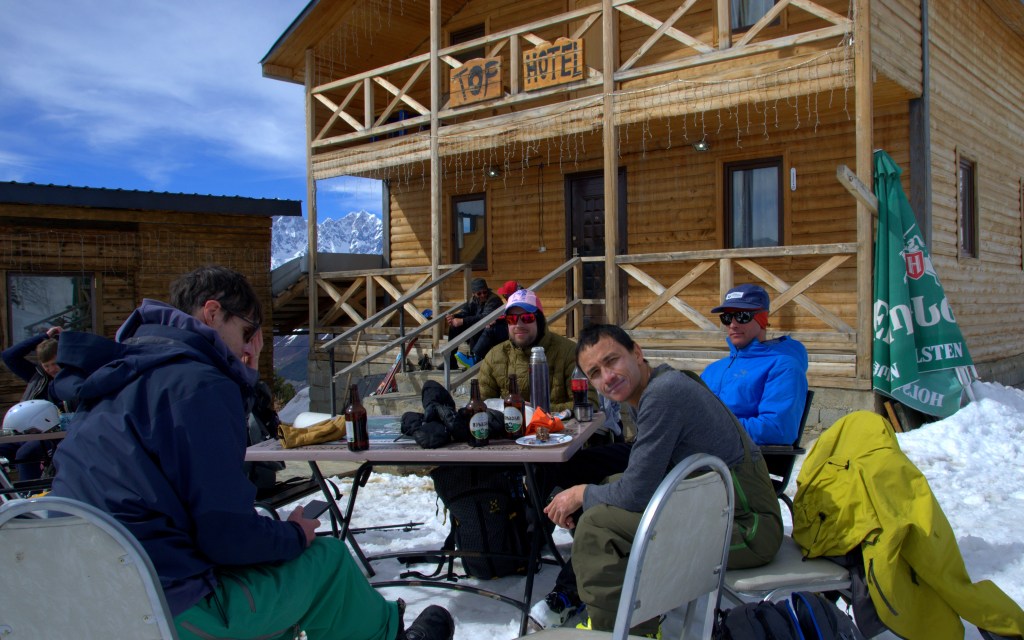
A first, and arguably well-deserved, victory at Tetnuldi ski resort
No sooner had we celebrated a first successful day were the rain clouds back and we back by the fire. Meanwhile, Zura’s claims for the VW Golf persisted. Markus and Alex spent a day on a roundtrip to Zugdidi, to find the only notary public within a 100km radius that wasn’t on holiday, and our reliable means of transport changed owners in exchange for a bit of guiding and a few Euros more.
Ushguli
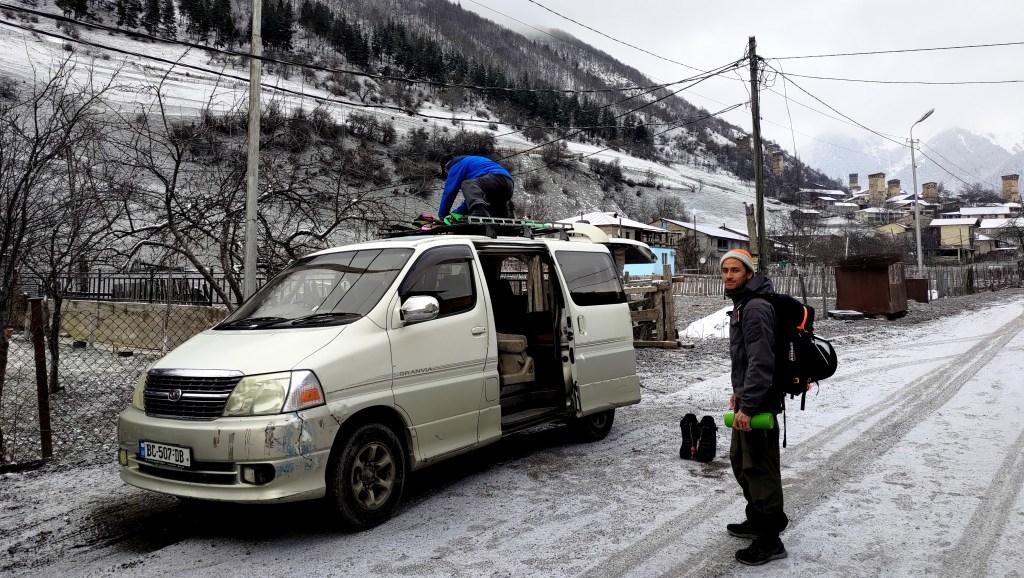
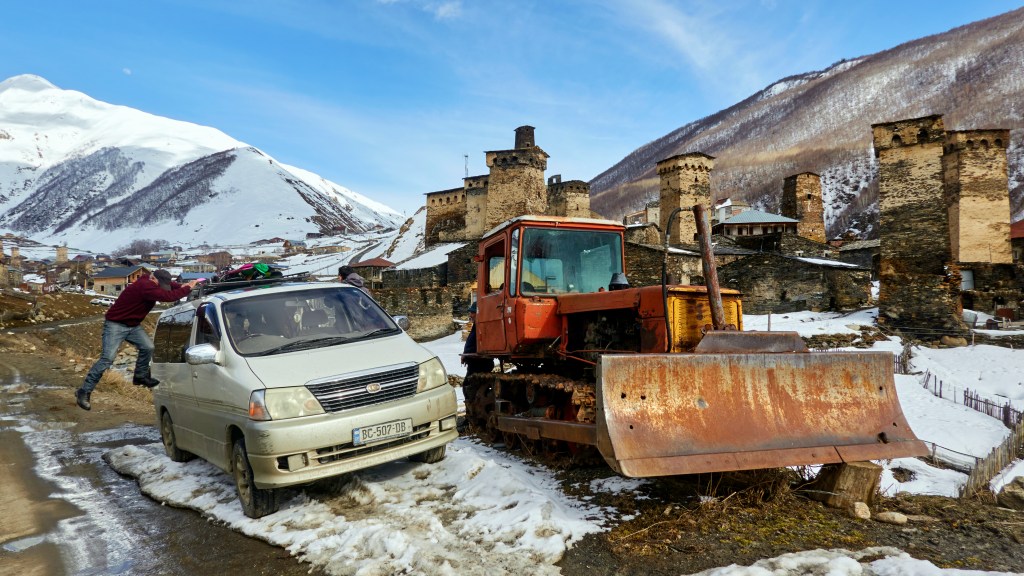
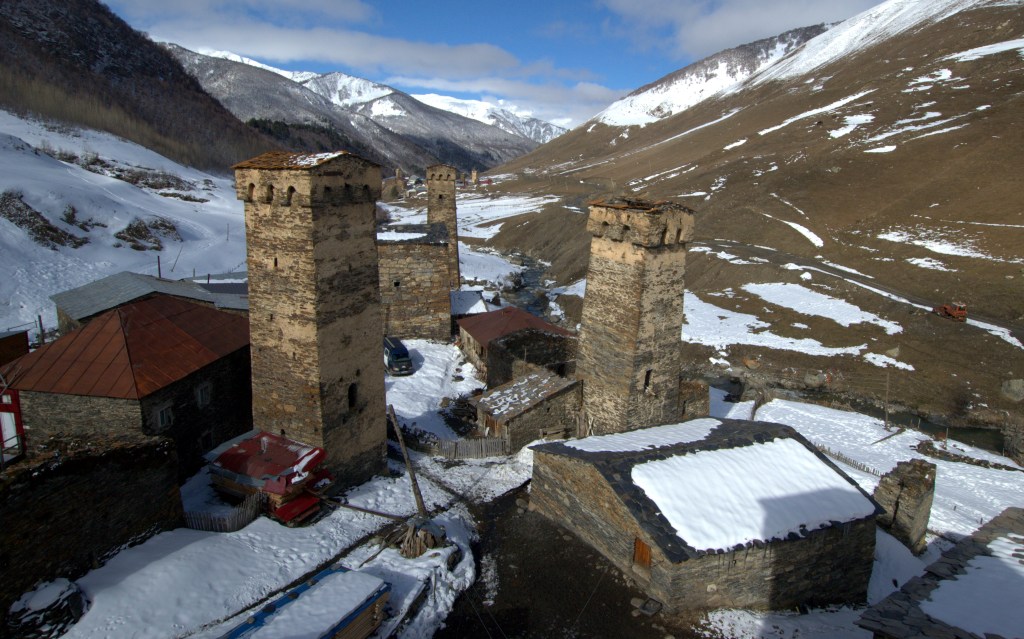
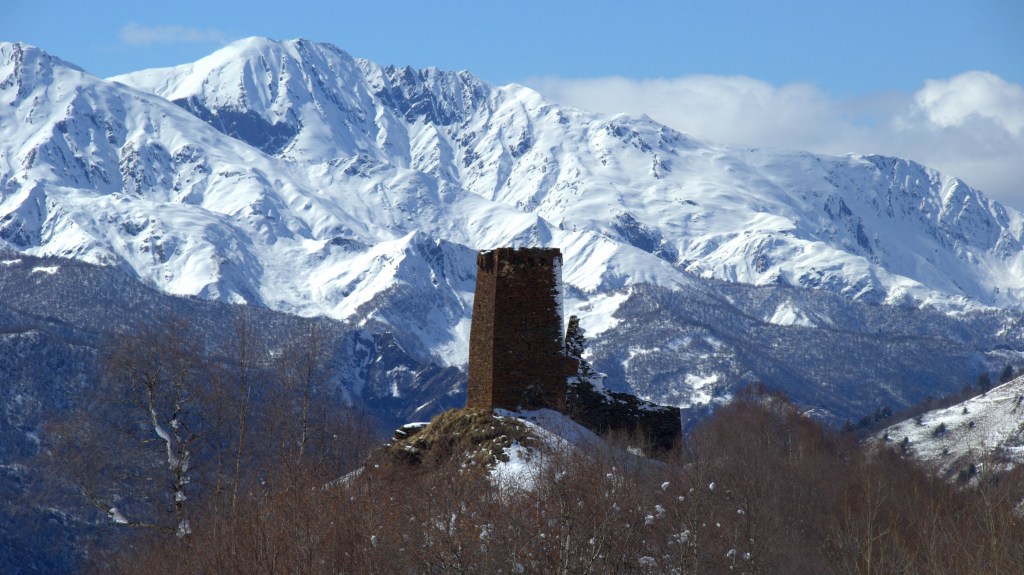
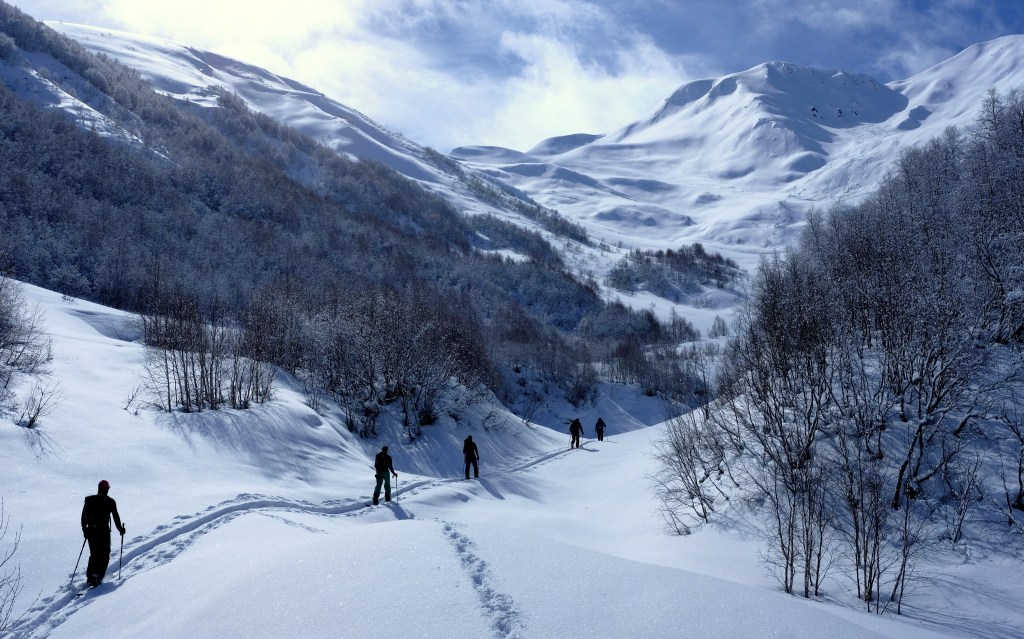
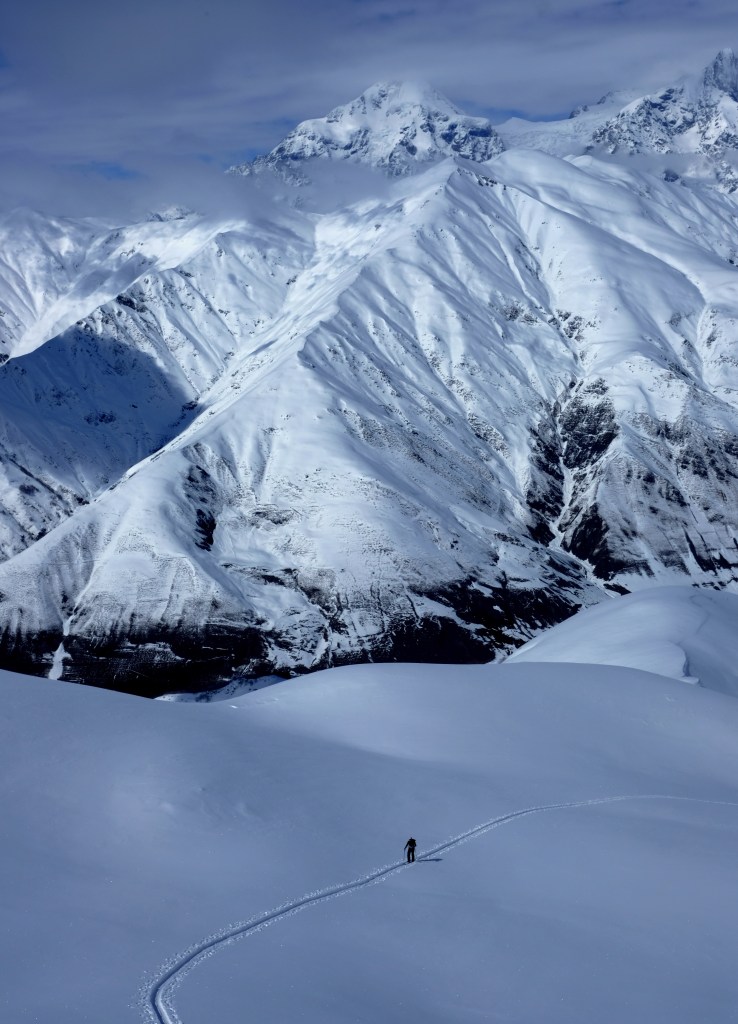
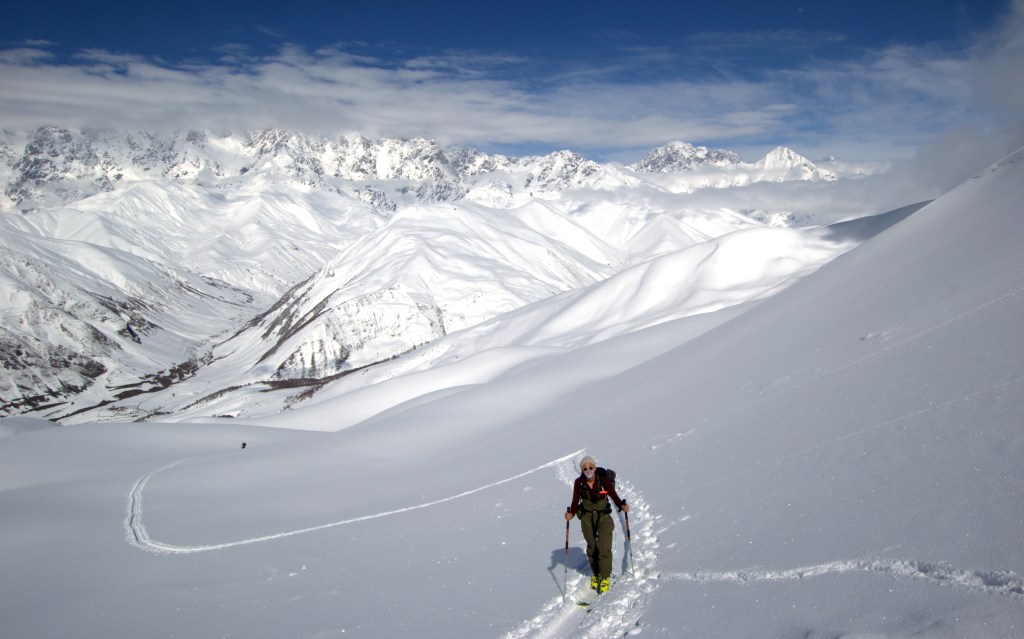
Ushguli is a UNESCO world heritage site perched at the very end of Svan Valley between Shkhara and the main ridge of the Greater Caucasus to the north and Svaneti Range to the south. For those who place Georgia on the European map, it is the highest permanently inhabited village in Europe and is only overlooked by what is left of King Tamari’s former summer residence. The village also boasts more medieval defence towers than permanent residents. While helicopter assistance would remain elusive as we were not the only ones taking advantage of the clearing weather at the end of our first week in Mestia, we got a ride on another Japanese 4×4 further up the valley. Amid recent landslides, falling rocks and abounding heavy earthmoving equipment, an uninformed onlooker could easily confuse the road from Mestia to Ushguli with a quarry. It does make for a frightening passage at the best of times and Francis and Frederic were glad that, on another visit 10 years earlier, they had made the trip at night blissfully ignorant of the dangers looming around them. We continued marveling at the fearless Georgian style of driving and the fact that, again, there seemed to be less and less snow the deeper we penetrated the valley. Having arrived unscathed, we were welcomed by the friendly owners of Old House, a homestay with its own defence tower right in the middle of Ushguli whose name does justice to the vintage of its premises. Before noon, we were on the way up the north faces of the eastern end of Svaneti Range in a good 30cm of powder. Moods were improving and redemption seemed close.


Ushguli
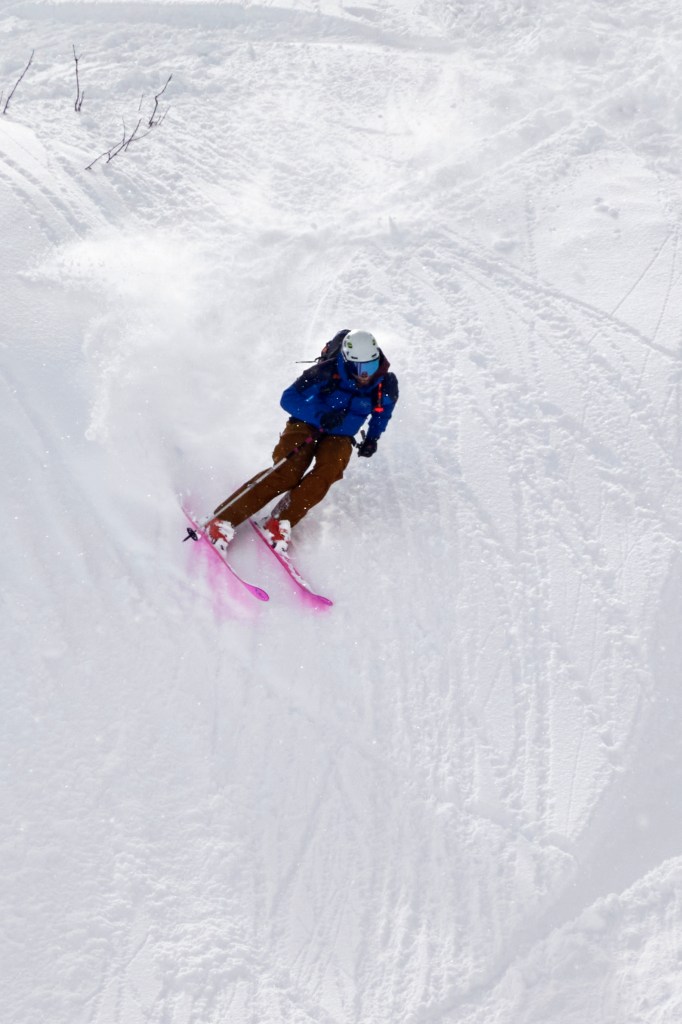


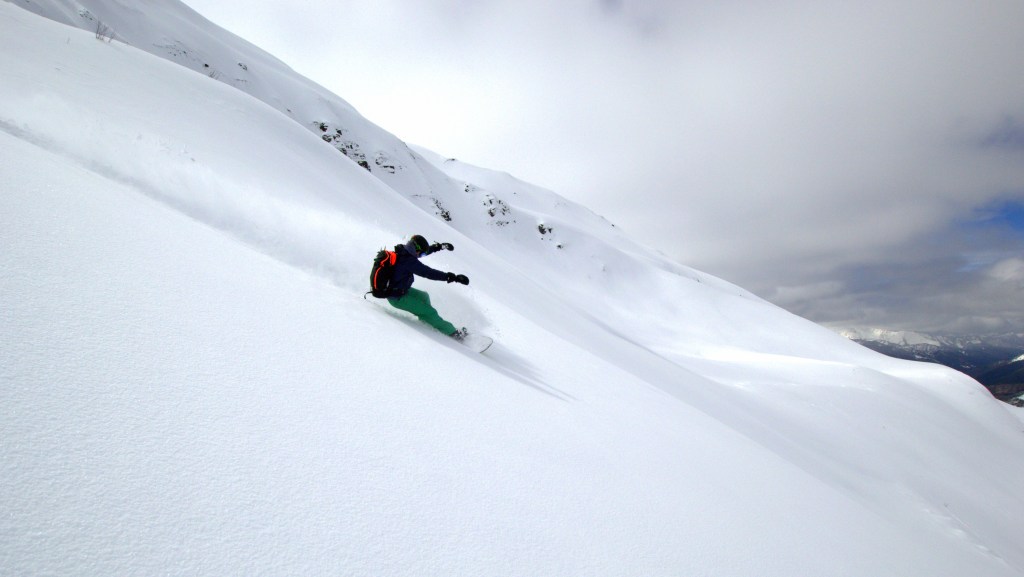
Close to redemption
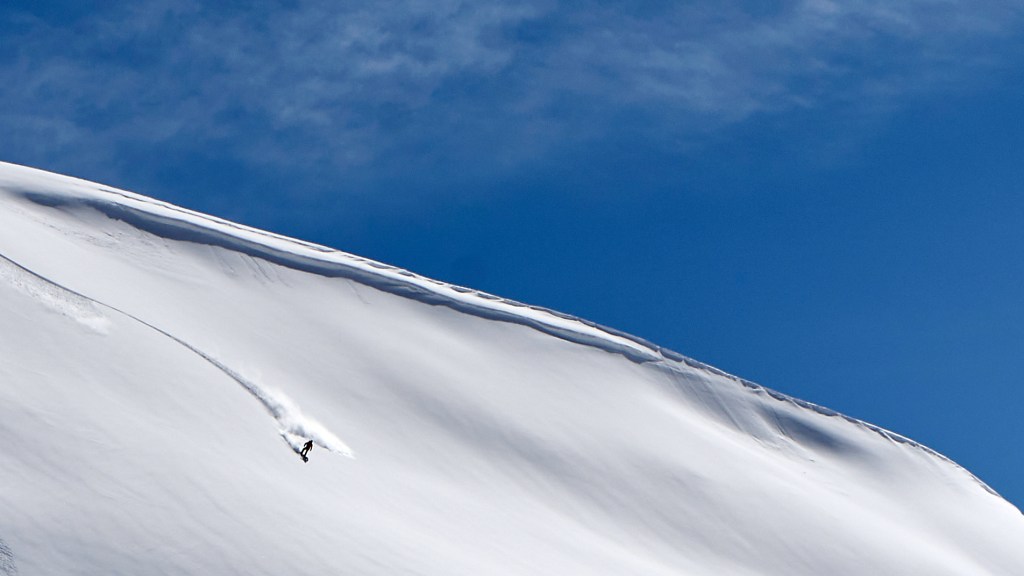
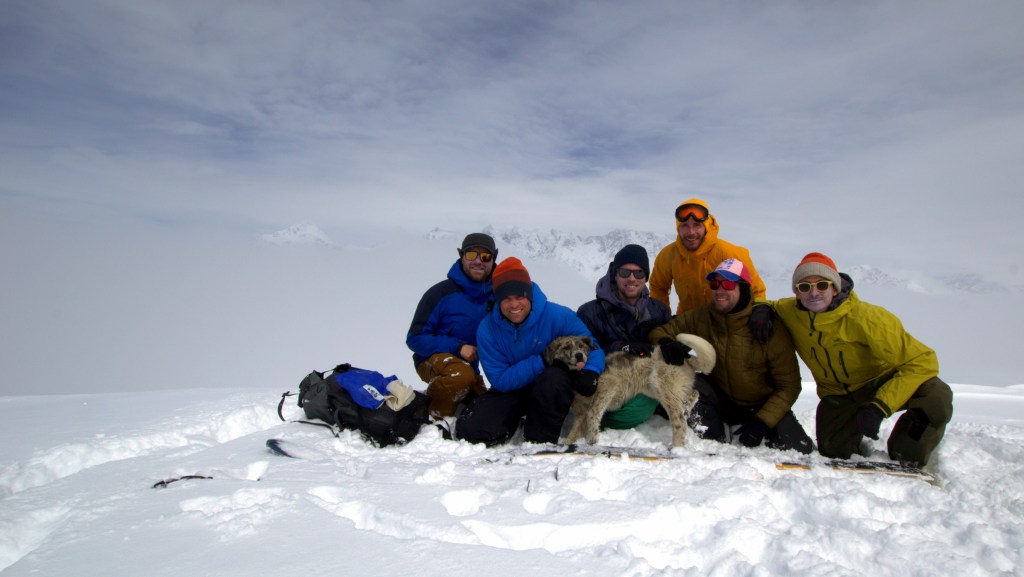
After a first and heavenly descent, someone declared victory for the day. Whether chickens were counted before, during or after hatching of the eggs, there was no hesitation in going for a second lap and aiming for a slightly steeper slope above the skin track. Back at the top of the ridge a brief passage of clouds imposed a short wait for skies to clear but luck now seemed decidedly on our side and sun and visibility were back before short. Markus went first for the second run, followed by the local dog that had loyally followed us all day and had already been given several new names. It would be his first day with us and his last day on a mountain. After some debating about whose turn it was next, Frederic set off in the flats at the top of the ridge while the rest of us felt another massive whoomph under our feet. As Markus narrowly escaped half way down the slope, Frederic was able to stop centimetres short of the first break in the snow pack that set in motion the entire valley through which we had skinned up. The snow had obviously not stabilised anywhere as much as we had thought and been told. After the rumble and dust had settled, several weak layers were apparent and the snowpack had been purged to rock bottom. It took a while to appreciate the size of the avalanche we had set off and the luck we had in not being in the wrong place at the wrong time. Doggie, on the other hand, was never to be seen again.
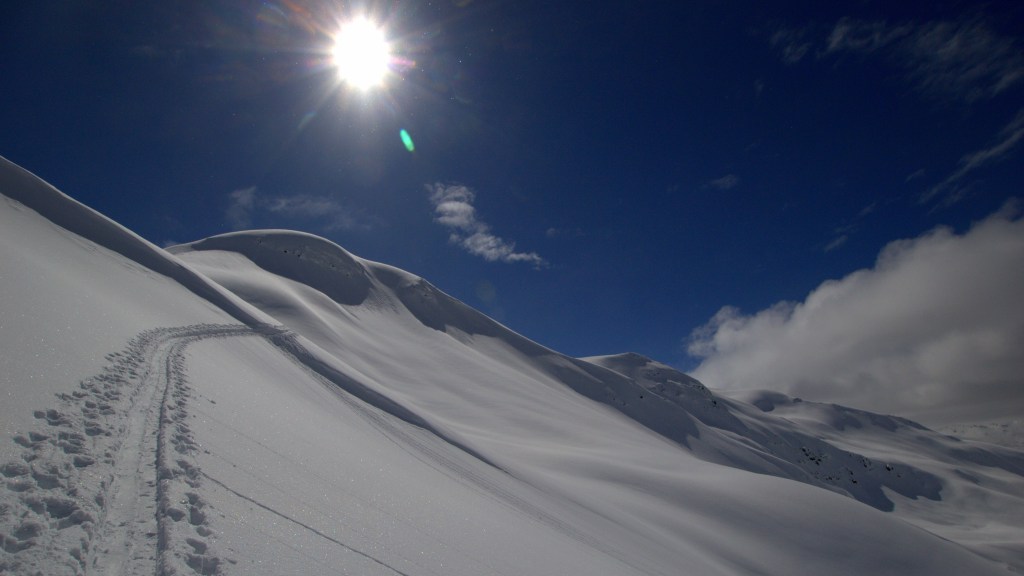
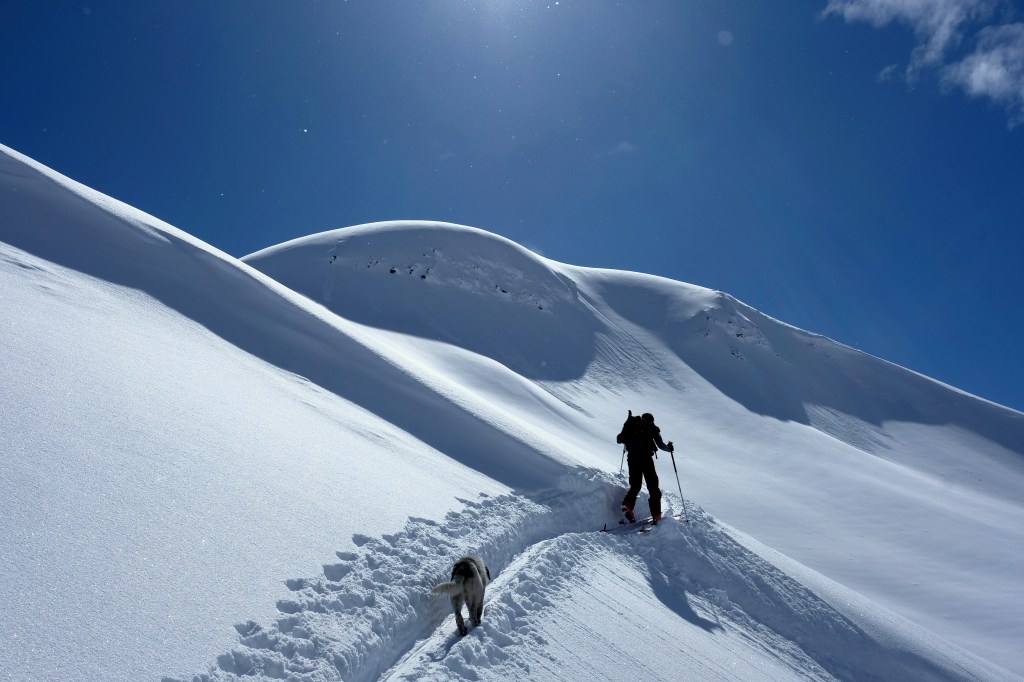
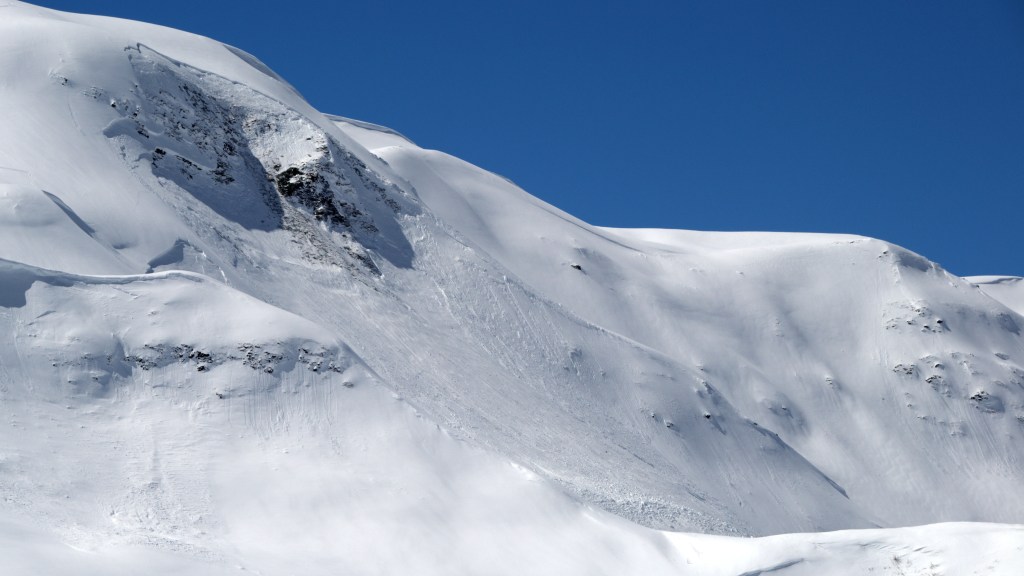
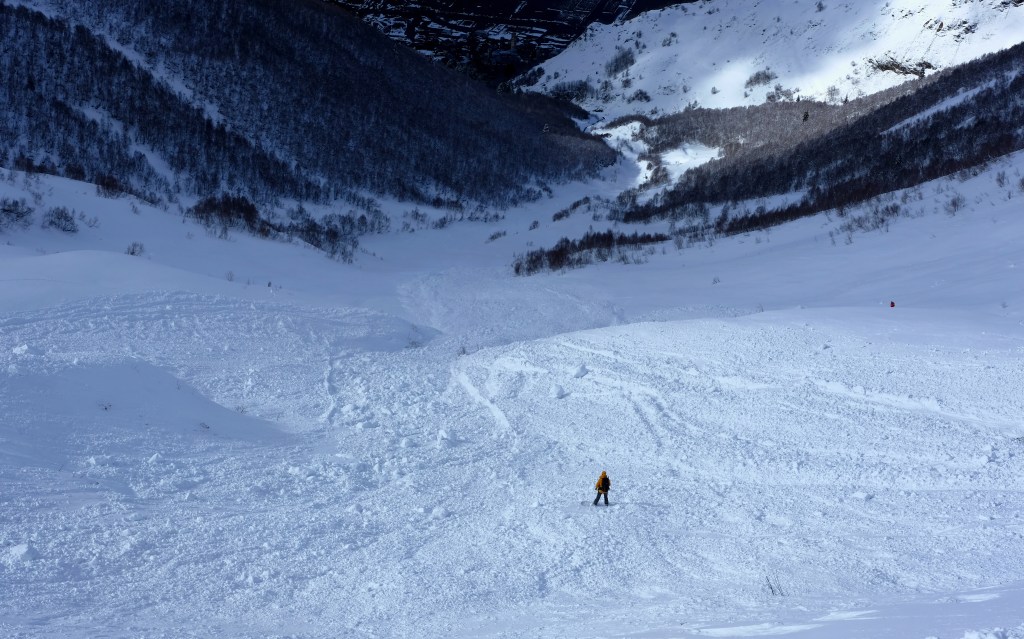

The split second separating heaven from hell
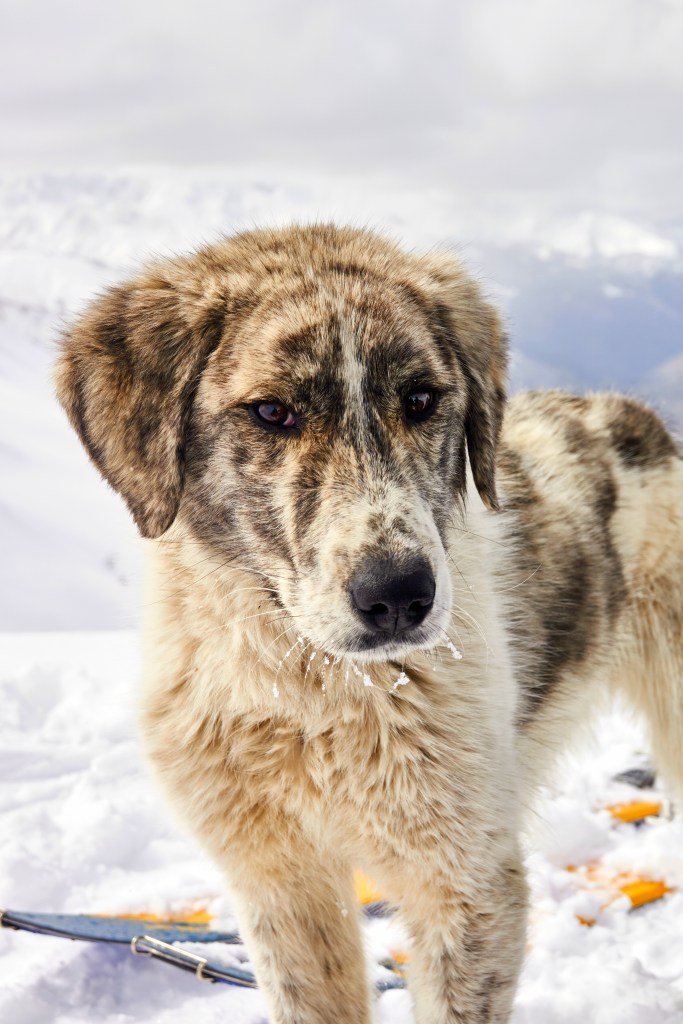
His trust in us ended up costing him dearly
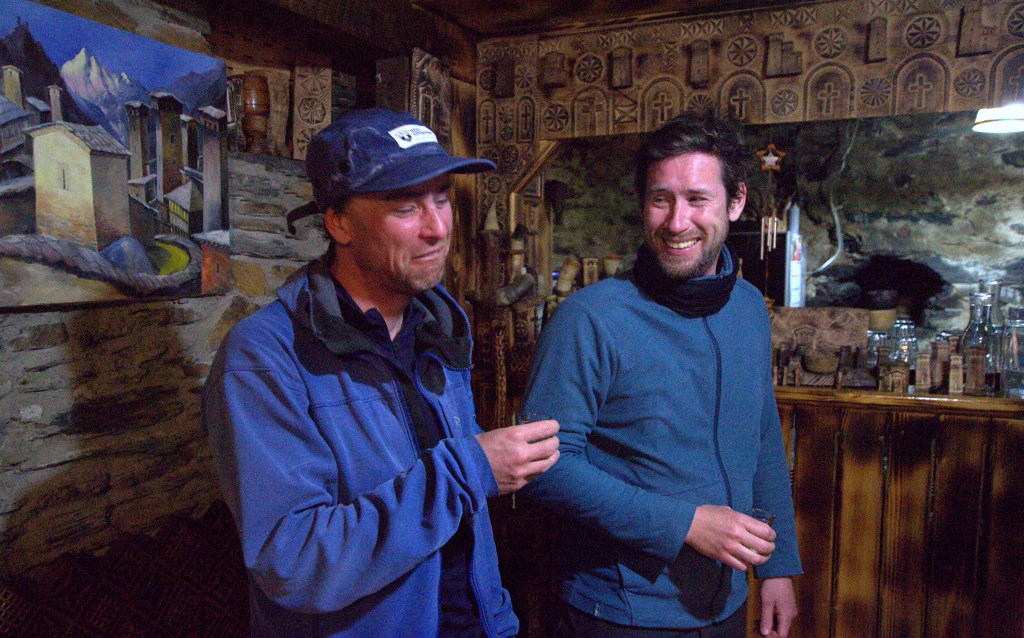
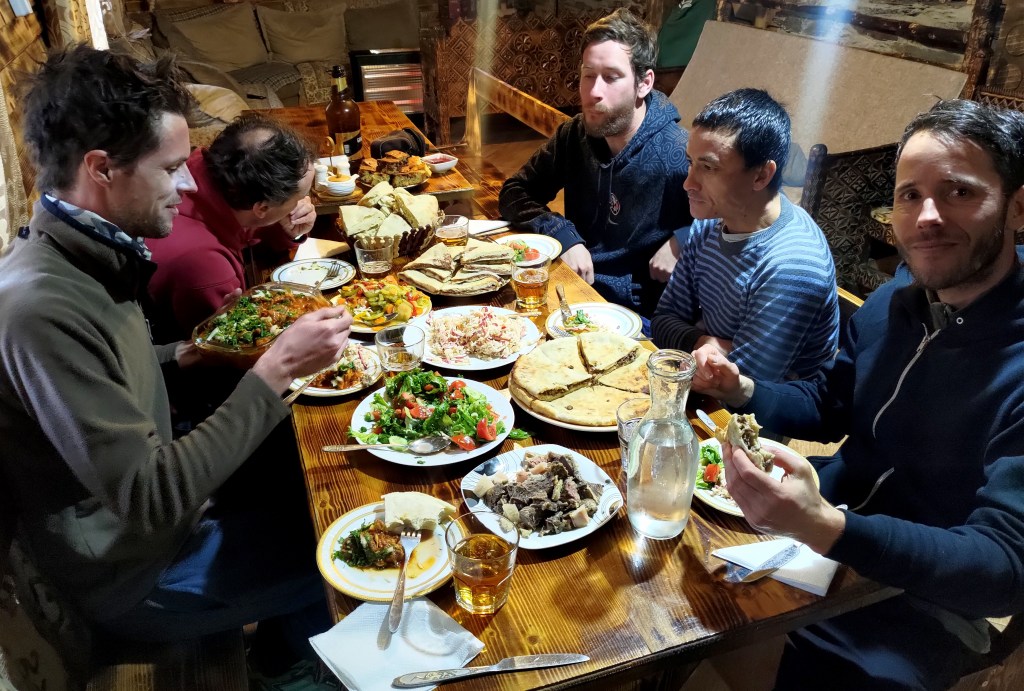
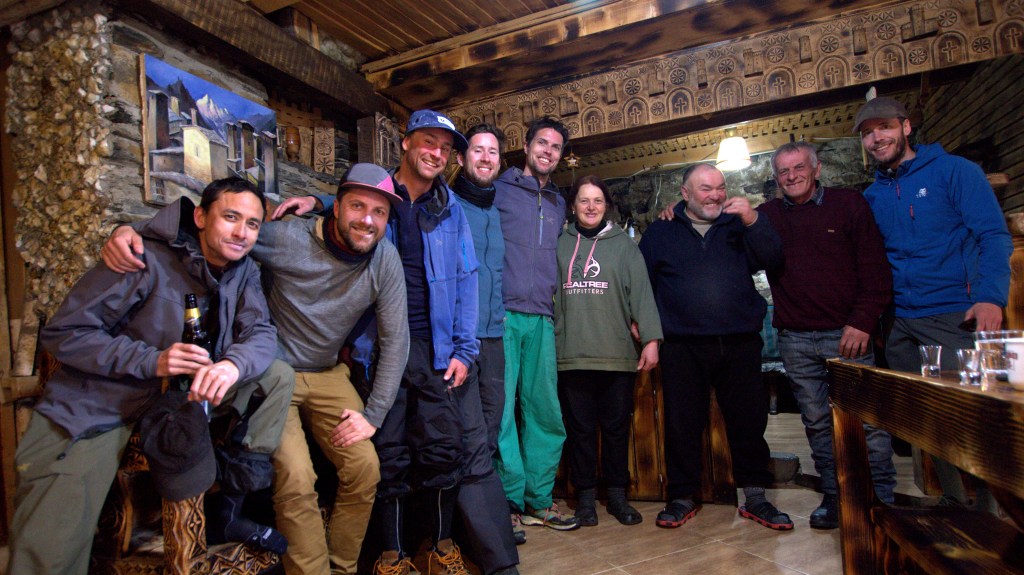
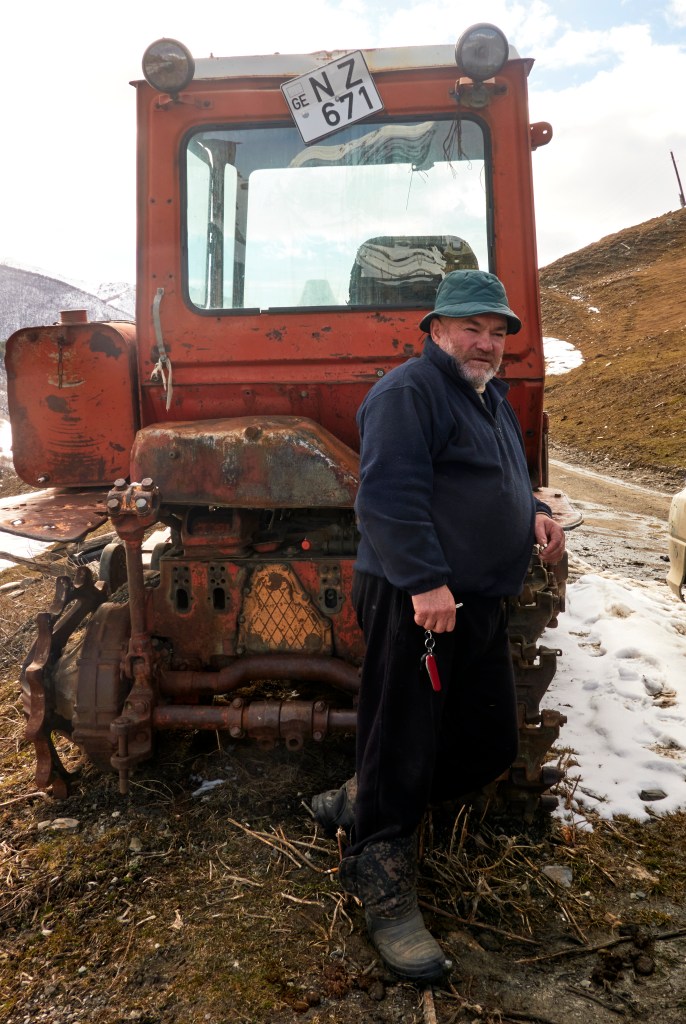
The return to Old House seemed unreal. Our state of mind, however, did nothing to lessen the unparalleled hospitality and the clearly assigned roles between family members. Tamari, the daughter of the landlords’, spoke fluent English and looked after verbal communication. Her younger brother was mainly a younger brother and kept a low profile. Old House Mom, whose name we never found out, prepared delicious food in amounts more unreasonable than ever. Old House Dad, the patriarch, who seemed to neither work nor speak and yet surprisingly knew the words for strong liquor in English and German, and probably another dozen languages we don’t speak, insisted periodically on serving and drinking Chacha. The repeated rounds of Chacha notwithstanding, it was hard to get over the odd atmosphere created by the near-disaster of the afternoon, somewhere between trying to understand where we went wrong and celebrating six second birthdays. We sat in the medieval living room, played cards, ate, and ate some more. The food made for easy bites to swallow but digestion would take a while.

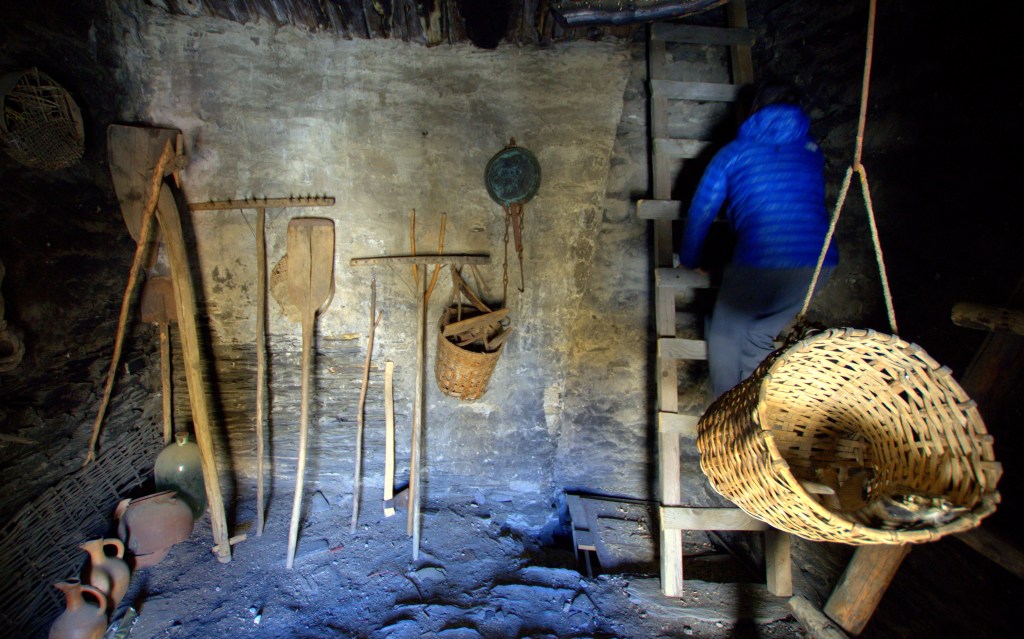
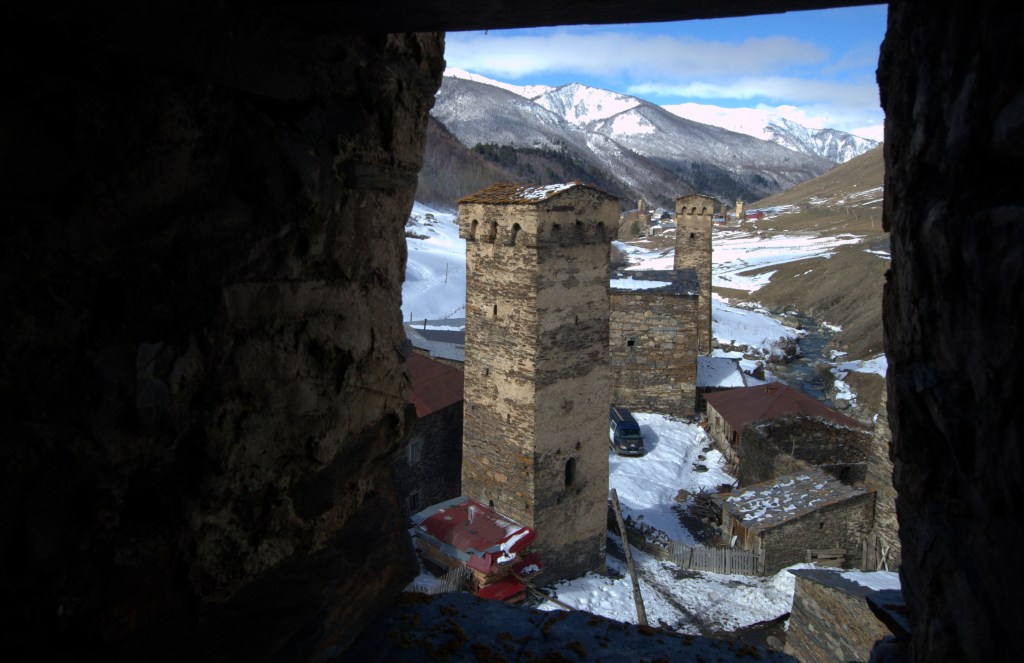
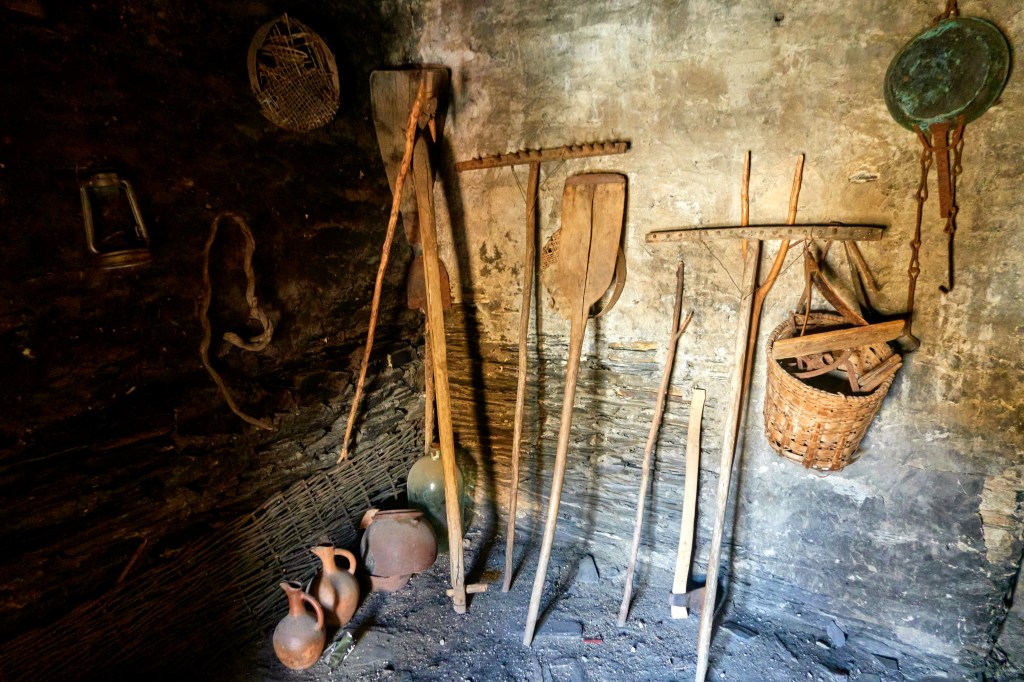
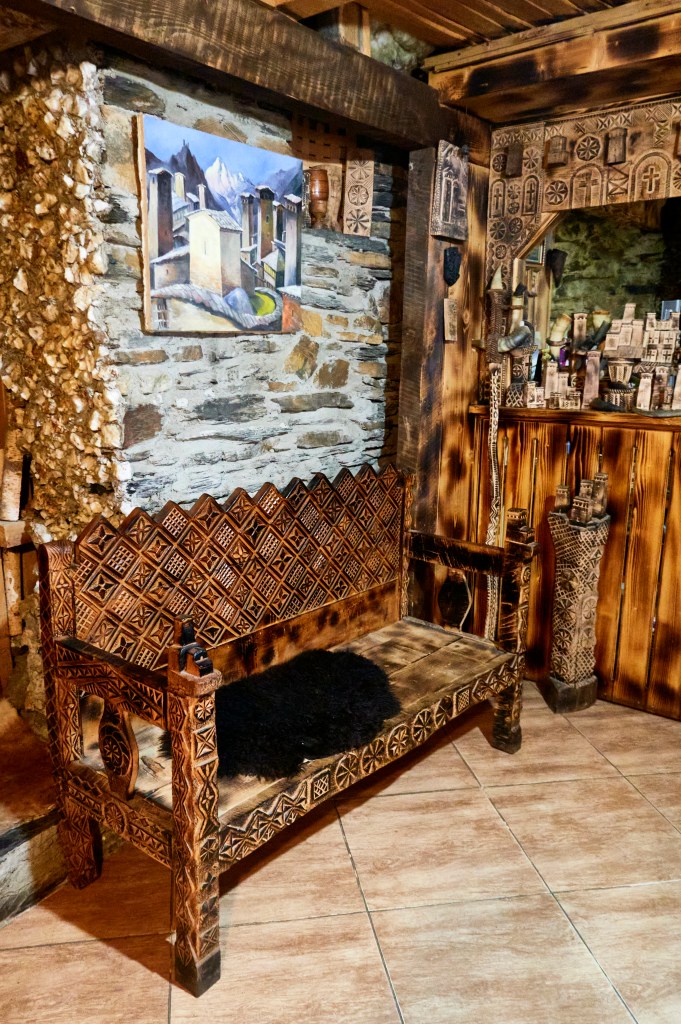



Old House
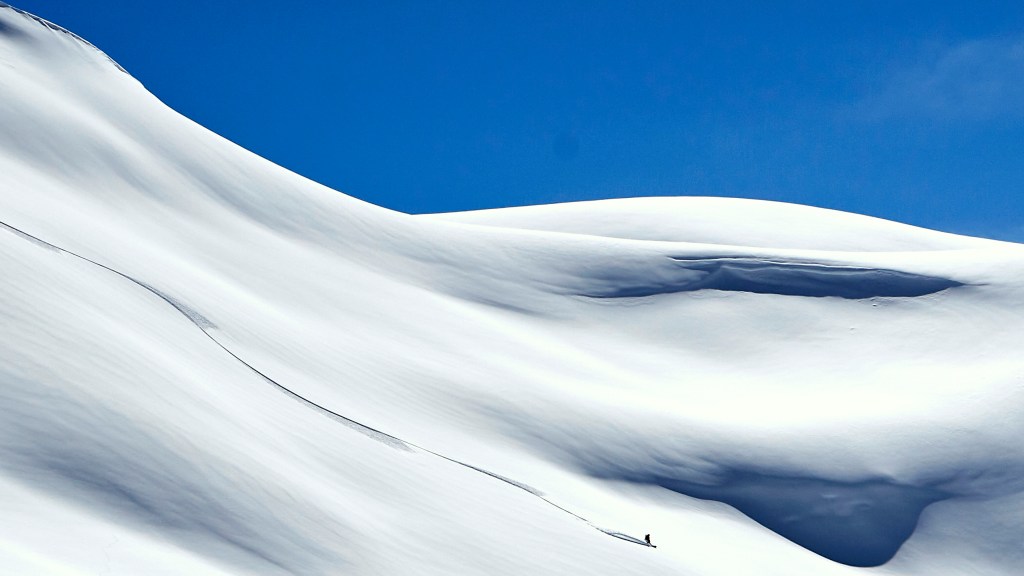
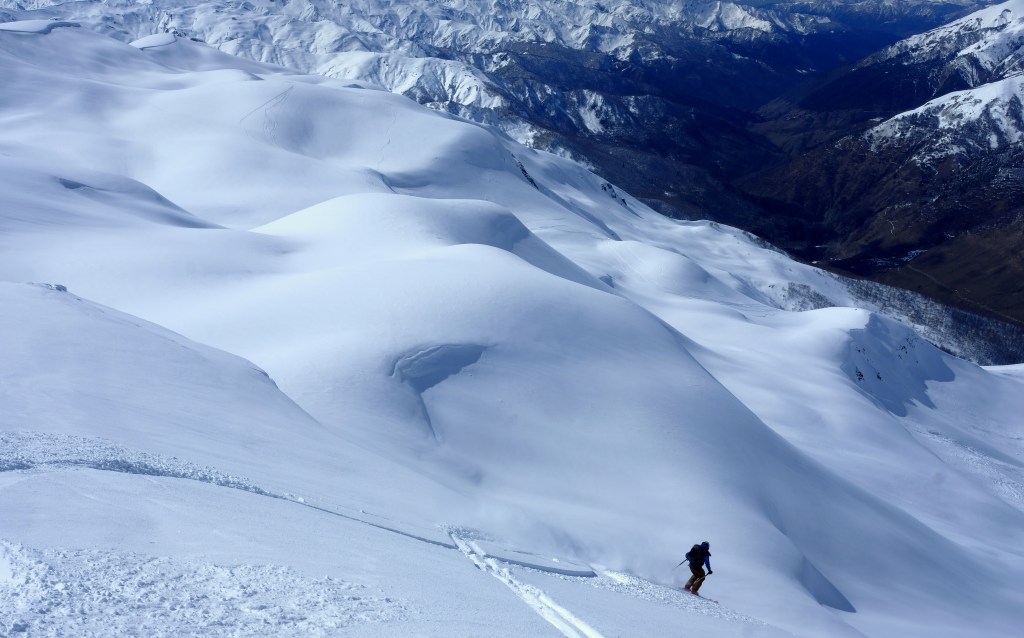
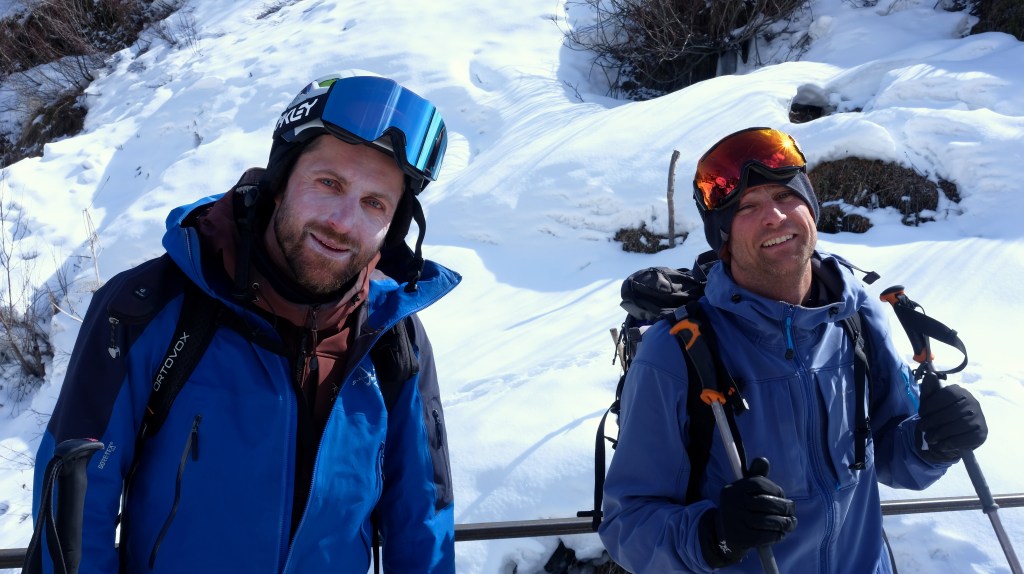
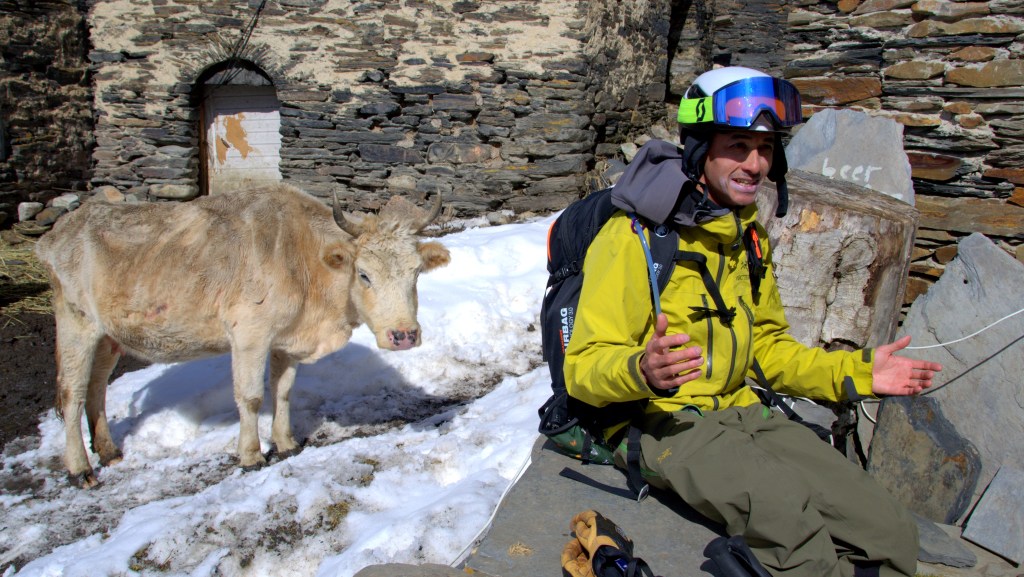
Sun was out the next morning and we hid only briefly inside the Old House defence tower, a place where, we concluded, one would only voluntarily spend weeks when hiding from life threatening intruders. It had not yet become entirely clear what we had learnt from the day before but one undisputed conclusion was that we could not leave Svaneti on such a negative note. While Ushba, Shkhara and the rest of them stood menacingly above us, we were back on the way up to the ridge before noon. Hoping that the previous day would teach a lasting lesson, we stuck to extra low-angle terrain and ended the day after only one run in snow that was better than on most other days of the trip. Another round of Chacha with Old House Dad and our driver later, we were back on the road to Mestia. It felt falsely reassuring that, after all, the drive seemed more dangerous than any mountain terrain and avalanche.

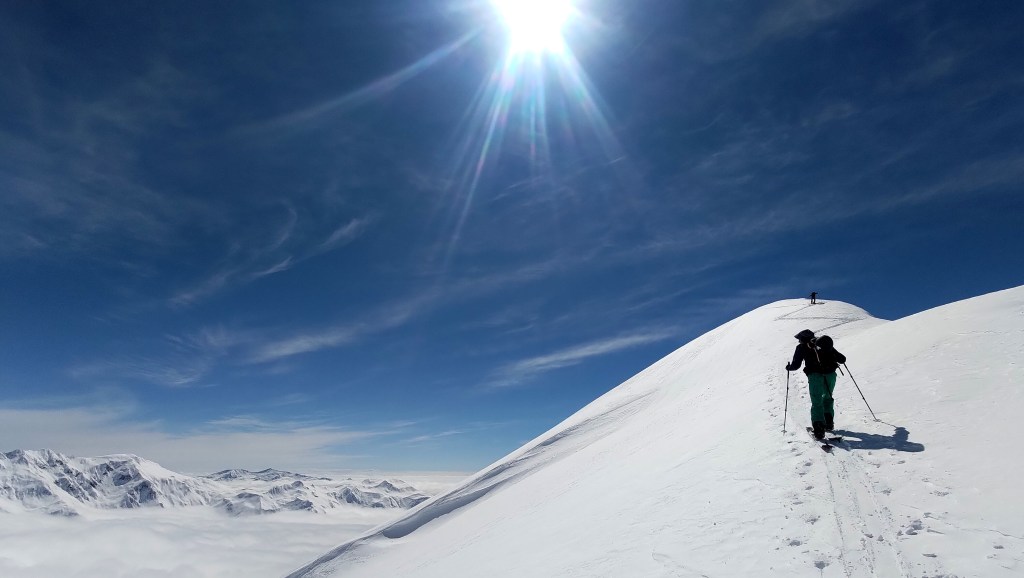



Last dance
Yet, somehow, there was no denying that we had run out of steam. Weeks of warm winds, rain, fog, crust and overeating had clearly taken their toll. The avalanche seemed like the final straw and a natural end to our endeavour. A plan to rise before dawn the next morning and tour the south slopes of Ushba to ski Chalaadi Glacier was soon abandoned over another meal of khinkali. And so a Mercedes Vito van without pumper was soon loaded with skiing gear, bags and six tired travellers, leaving Svan valley bound for Kutaisi. Frederic and Francis would catch flights from Kutaisi. After changing cars and driver, the rest of us would arrive late at night in Tbilisi, our final stop on the way east. Gazing at snowy Svaneti Range while leaving the valley, it somehow felt wrong to leave without having been atop any of those magnificent peaks. But yes, we’d keep imagining this and other places we had discovered over the previous five weeks in good conditions. We would be back soon.
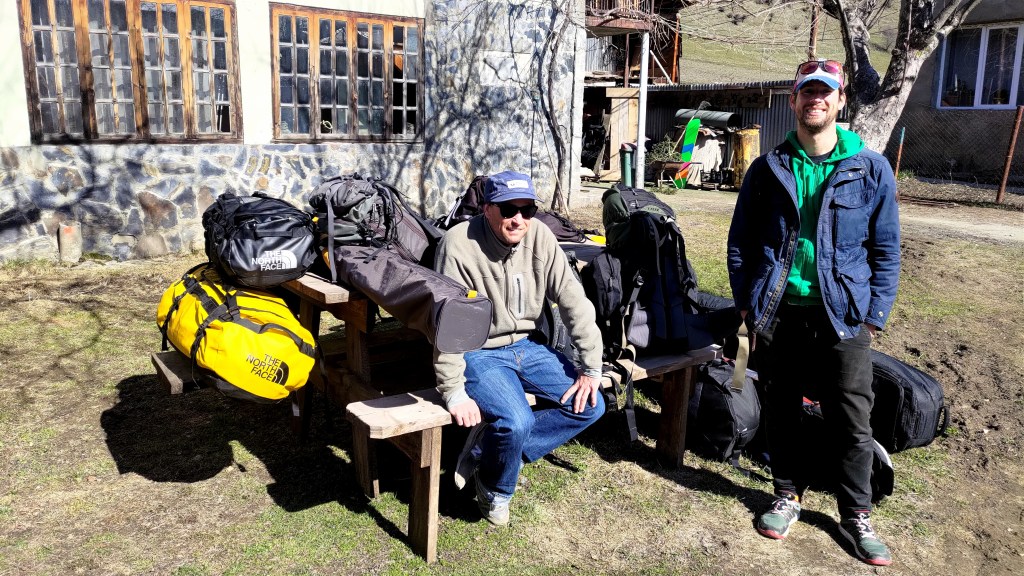
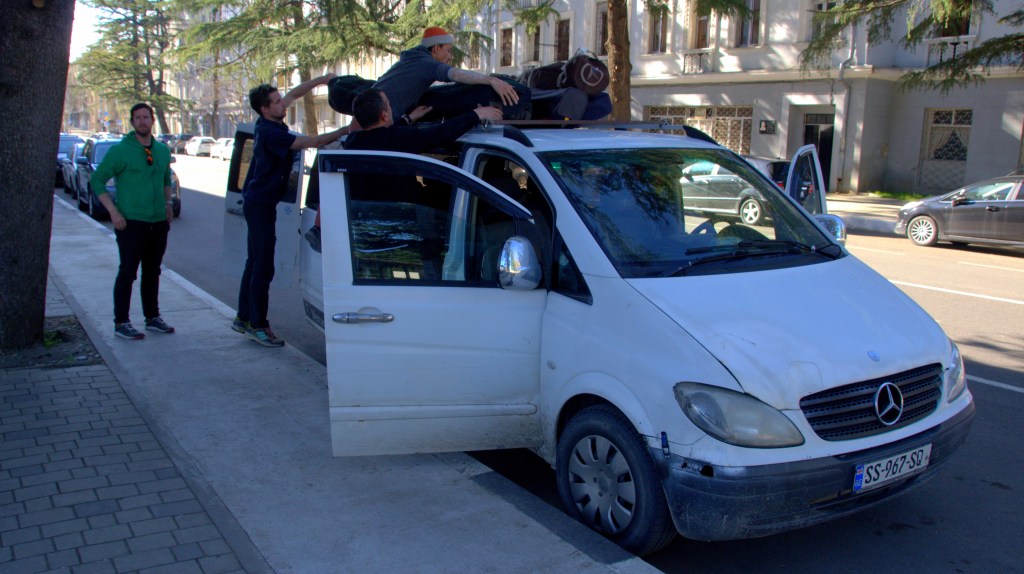
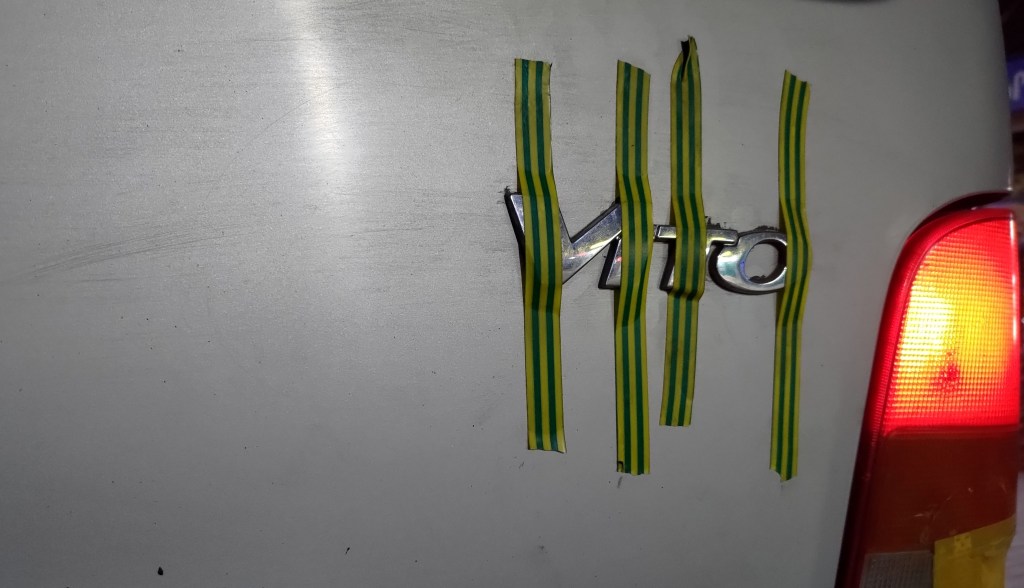

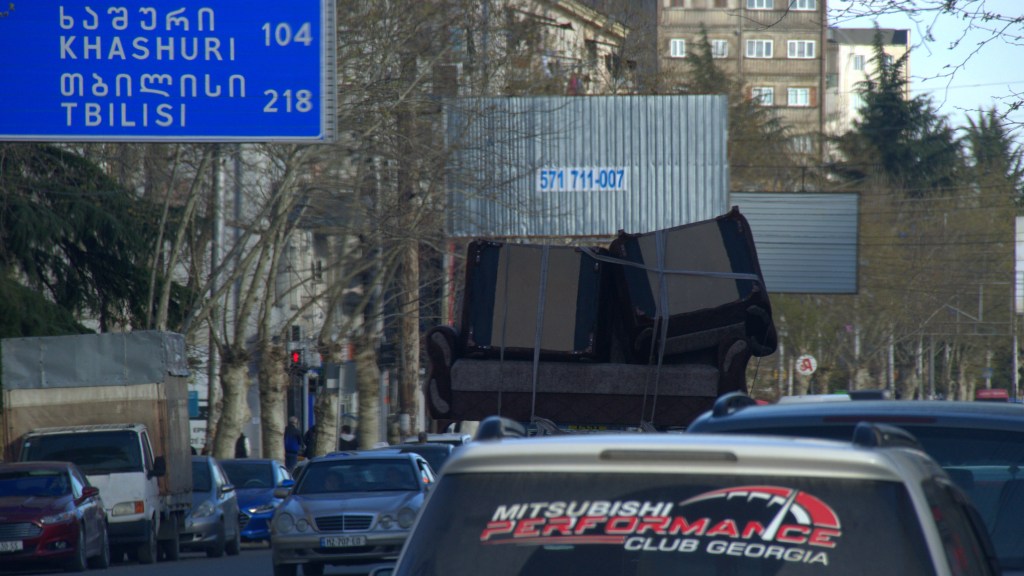
Time to pack it up
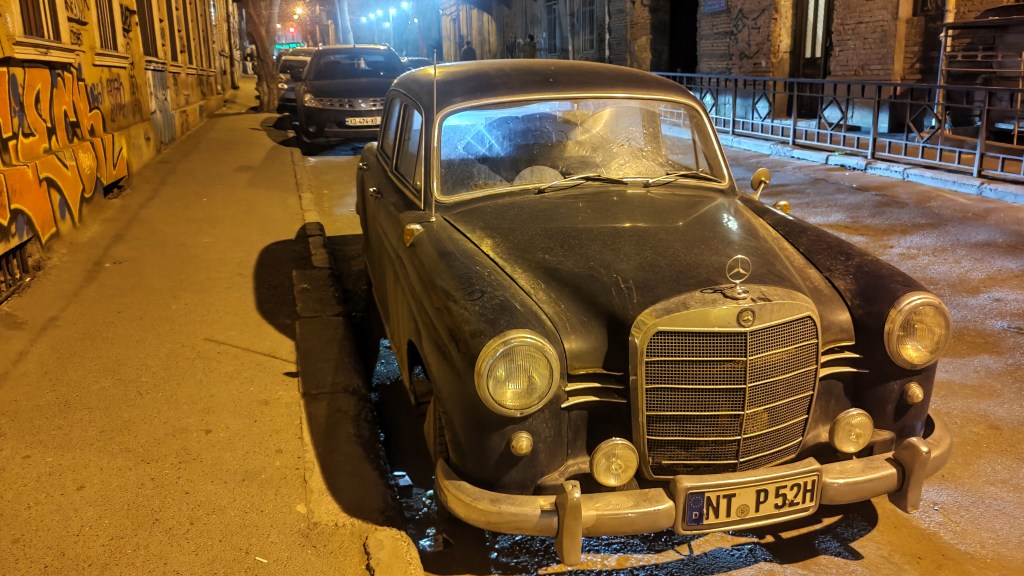
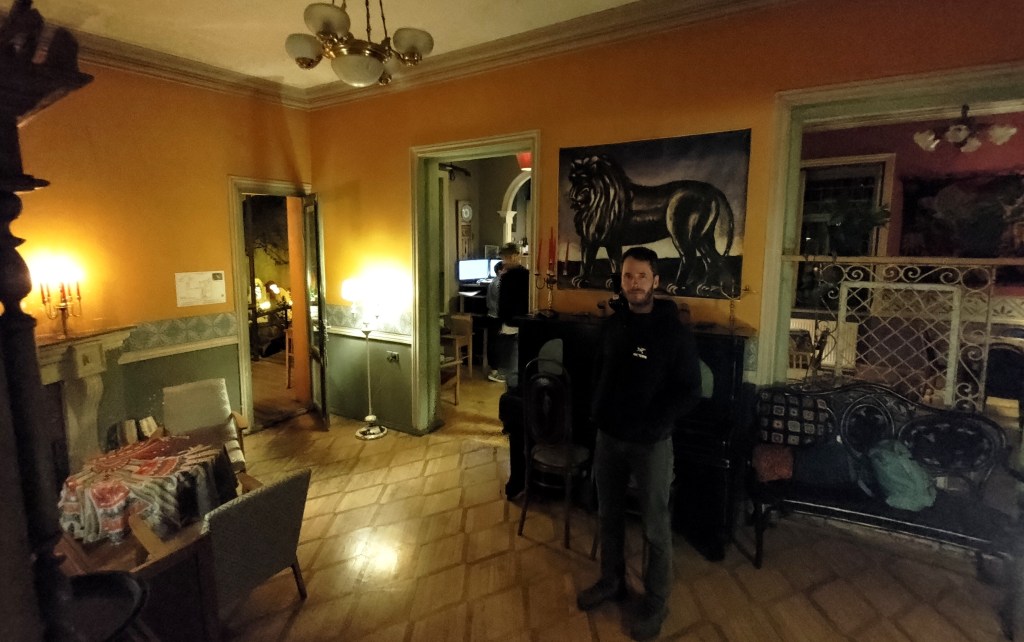
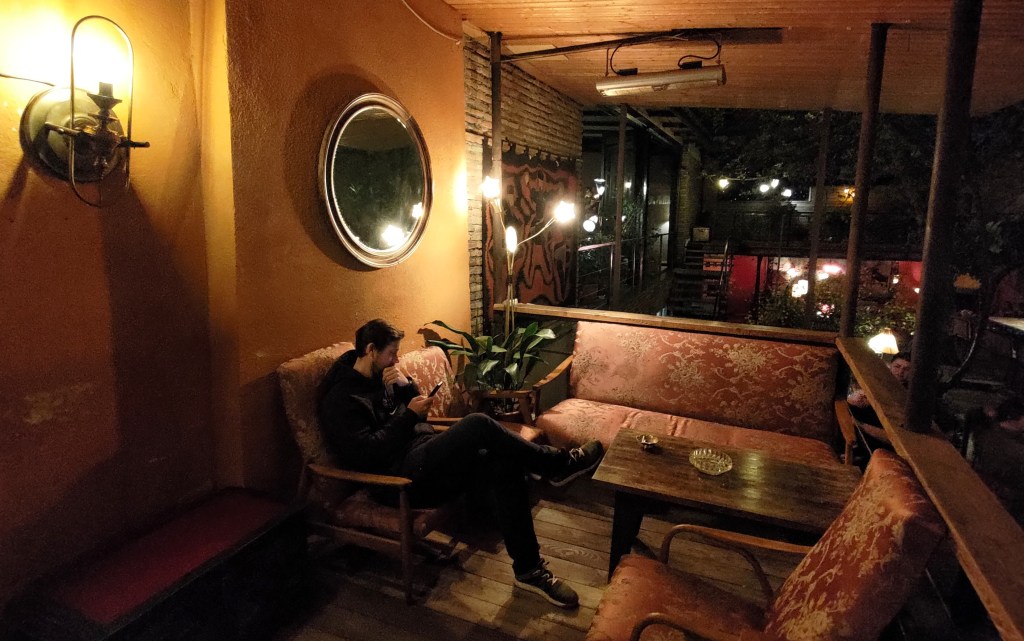
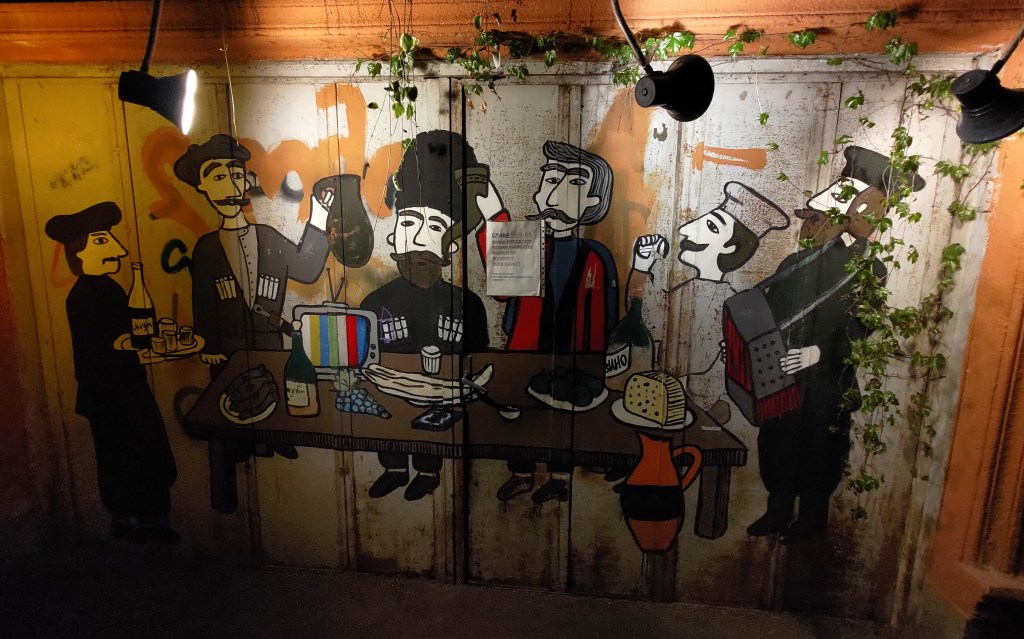
Final stop in Tbilisi

 My Impressions
Leave a reply to Ely Shemer Cancel reply